
.jpeg)
Download instructions for afatinib maleate: detailed explanation of usage, dosage and indications
Afatinib is a targeted drug targeting epidermal growth factor receptor (EGFR) mutations and is mainly used to treat metastatic non-small cell lung cancer (NSCLC). The following is a detailed description of afatinib, including its indications, dosage, and precautions.
1. Basic drug information
English name:Afatinib
Product name:GIOTRIF
Category: Small molecule tyrosine kinase inhibitors (TKI)
2. Indications
The main indications for afatinib include:
Metastatic non-small cell lung cancer (NSCLC): For the treatment of patients with activatingEGFR mutations. Studies have shown that such patients respond better to afatinib and can significantly extend progression-free survival.
Local advanced or metastatic squamous non-small cell lung cancer(NSCLC): For patients whose disease has progressed during or after platinum-based chemotherapy. Such patients usually have a poor prognosis, and afatinib provides a new treatment option for them.
3. Usage and dosage
The usage and dosage of afatinib are as follows:
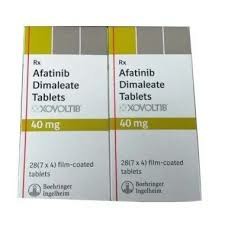
Recommended dosage: once daily, each time40mg. Patients should take it 1 hour before or 2 hours after meals to improve drug absorption and reduce side effects.
Patients with impaired renal function: For patients with severe renal impairment, the recommended dose adjustment is30 mg once daily. This adjustment is intended to reduce the accumulation of drugs in the body and avoid potential toxic side effects.
4. Medication precautions
Monitor adverse reactions: When using afatinib, patients need to regularly monitor possible adverse reactions, including rash, diarrhea, stomatitis, etc.
Interactions with other drugs: During the use of afatinib, care should be taken to avoid combined use with other drugs that affect drug metabolism, especially potentCYP3A4 inhibitors.
Liver function monitoring: For patients with liver disease, liver function should be monitored regularly and the dose should be adjusted if necessary.
5. Medication guidance
Medication time: To ensure the best efficacy, patients should take afatinib strictly according to the recommended time. If the drug is missed, it should be taken as soon as possible. However, if it is close to the time of the next dose, it should be skipped and never doubled.
Dietary effects: The absorption of afatinib may be affected by diet, so patients are advised to take the drug within the prescribed time and avoid concurrent intake with high-fat foods.
6. Adverse reaction management
Rash: One of the common adverse reactions of afatinib is that patients can relieve symptoms by using topical medications or antihistamines.
Diarrhea: This can be managed through dietary changes and the use of antidiarrheal medications, with prompt medical attention if necessary.
Lung-related risks: Although afatinib is effective against lung cancer, it may also cause lung problems such as interstitial lung disease. Patients should seek medical attention immediately if they have difficulty breathing or a worsening cough.
7. Summary
Afatinib, as a new type of targeted therapy, provides an effective treatment option for patients with EGFR mutation-positive non-small cell lung cancer. Understanding its indications, usage and dosage, and management of adverse reactions is of great significance to improving patients' quality of life and prolonging survival. Patients should always maintain good communication with medical staff when receiving afatinib treatment to ensure safe and effective treatment.
Reference materials:https://www.giotrif.com/
[ 免责声明 ] 本页面内容来自公开渠道(如FDA官网、Drugs官网、原研药厂官网等),仅供持有医疗专业资质的人员用于医学药学研究参考,不构成任何治疗建议或药品推荐。所涉药品可能未在中国大陆获批上市,不适用于中国境内销售和使用。如需治疗,请咨询正规医疗机构。本站不提供药品销售或代购服务。


