
.jpeg)
Standard dosage and correct way of taking pirfenidone
Pirfenidone is one of the more mainstream anti-fibrotic drugs currently used to treat idiopathic pulmonary fibrosis (IPF). Its mechanism of action is mainly to slow down the abnormal proliferation of fibrous tissue in the lungs by inhibiting the TGF-β signaling pathway, thereby delaying the progression of the disease. In order to ensure maximum drug efficacy and minimize the occurrence of adverse reactions, reasonable and gradual dosage increase is a crucial part of the medication process.
The standard dosage of pirfenidone is divided into an incremental phase and a maintenance phase. The initial phase is usually from 0 to 14 days. 200 mg is taken each time, 3 times a day, a total of 600 mg. Then gradually increase the dose to 400 mg three times a day on days 15 to 28 (a total of 1,200 mg), then increase to 600 mg three times a day (a total of 1,800 mg) in another two weeks, and finally enter the maintenance dose on day 43, 800 mg three times a day, with a total dose of 2,400 mg. The entire dosage increase process must be carried out strictly in accordance with the protocol, and the medication must be taken simultaneously with meals to reduce the risk of gastrointestinal irritation.
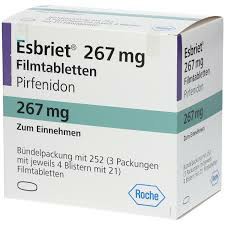
When taking the drug, patients need to avoid taking it on an empty stomach or with a high-fat meal, as this may affect the drug absorption rate and aggravate adverse reactions. To enhance tolerance, take it once within 30 minutes after breakfast, lunch and dinner. For patients with abnormal liver function or elderly patients, doctors need to evaluate and adjust the dose as appropriate. If serious adverse reactions such as rash, nausea, or elevated liver enzymes occur, treatment suspension or dose adjustment should be considered.
In addition, exposure to strong sunlight should be avoided during use, as pirfenidone has a risk of photosensitivity reactions. Clinically, it is emphasized that a continuous and stable medication cycle is the key to controlling the progression of IPF. Patients are not allowed to change the dosage or interrupt treatment without authorization, and need to carry out long-term management under the guidance of a professional doctor. Correctly understanding the medication escalation process and mastering the medication rhythm will not only help improve treatment compliance, but also significantly reduce the incidence of side effects and strive for more stable periods for IPF patients.
Reference materials:https://www.esbriet.com/
[ 免责声明 ] 本页面内容来自公开渠道(如FDA官网、Drugs官网、原研药厂官网等),仅供持有医疗专业资质的人员用于医学药学研究参考,不构成任何治疗建议或药品推荐。所涉药品可能未在中国大陆获批上市,不适用于中国境内销售和使用。如需治疗,请咨询正规医疗机构。本站不提供药品销售或代购服务。


