
.jpeg)
How long does it take for drug resistance to develop after taking Alpelisib?
Apelix is a selective PI3Kα inhibitor, mainly used to treat HR positive, HER2 negative advanced breast cancer patients who carry PIK3CA gene mutations. By inhibiting the PI3K signaling pathway, Apelvis can effectively block the proliferation and survival of tumor cells, thereby delaying the development of tumors. However, despite the good initial treatment effect, the development of drug resistance is still an important factor limiting the long-term efficacy of apelvis.
Clinical data show that patients with Apelvis usually develop drug resistance within a few months to a year during treatment. Specifically, most patients may show signs of disease progression within a treatment cycle of 6 months to 12 months, which is mainly manifested by reduced tumor sensitivity to drugs, disease stagnation or even recurrence. The time point of drug resistance varies depending on individual patient differences, tumor biological characteristics, and treatment regimens. Some patients may develop drug resistance earlier, while others may maintain efficacy for a longer period of time.
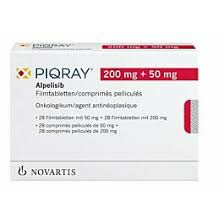
The mechanism of resistance to apelvis is complex. Tumor cells can bypass the inhibition of PI3Kα by activating other signaling pathways other than the PI3K pathway, such as the MAPK pathway, to achieve continued survival and proliferation. In addition, the continuous evolution of tumor cell genomes and tumor heterogeneity also promote the formation of drug resistance. In addition, changes in drug metabolism and adaptive changes in the tumor microenvironment may also play a role in the drug resistance process.
Facing the challenge of apelvis resistance, combination drug strategies are often used in clinical practice, such as combined with hormone therapy drugs, or with other targeted drugs and chemotherapy drugs, to delay the occurrence of drug resistance and improve efficacy. In addition, it is equally important to conduct regular imaging examinations and biomarker monitoring to promptly detect signs of drug resistance and adjust treatment plans. Through the design of individualized treatment plans, the progression-free survival and overall survival of patients can be prolonged to a certain extent.
In general, apelvis, as a selective inhibitor of PI3Kα, plays an important role in the treatment of specific breast cancer patients, but the emergence of drug resistance is inevitable. Patients and doctors should jointly pay attention to changes in efficacy during treatment, identify drug resistance early and take corresponding measures to achieve the best treatment effect.
Reference materials:https://www.drugs.com/
[ 免责声明 ] 本页面内容来自公开渠道(如FDA官网、Drugs官网、原研药厂官网等),仅供持有医疗专业资质的人员用于医学药学研究参考,不构成任何治疗建议或药品推荐。所涉药品可能未在中国大陆获批上市,不适用于中国境内销售和使用。如需治疗,请咨询正规医疗机构。本站不提供药品销售或代购服务。


