
.jpeg)
Detailed analysis of the mechanism of action and therapeutic effects of fezolinetant
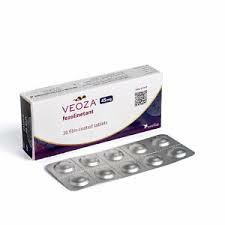
Fezolinetant (Fezolinetant) is a new type of oral selective neurokinin receptor antagonist, which belongs to the class of neuroendocrine regulating drugs. The drug was jointly developed by Astellas Pharma and NeRRe Therapeutics in the United States. It is mainly used to treat menopausal symptoms in postmenopausal women, especially hot flashes (hot flashes) and night sweats. With in-depth research on the mechanism of action of fizonitant, this drug has also shown potential multi-dimensional therapeutic advantages.
1. Mechanism of action of fizolinatant
The core mechanism of action of Fezonatan is to selectively antagonize neurokinin 1 type receptors (Neurokinin 3 receptor, NK3R) in the brain. NK3R is mainly distributed in the preoptic area of u200bu200bthe hypothalamus (preoptic area), which is responsible for regulating body temperature balance. In menopausal women, due to the decline of ovarian function, estrogen levels decrease, resulting in abnormal function of the hypothalamic temperature regulation center. Abnormal activation of the neurokinin system, especially overactive NK3R signaling, leads to an imbalance in body temperature regulation and triggers the typical symptoms of hot flashes and night sweats.
Fizonatant specifically blocks NK3R, inhibits the binding of neurokinins to receptors, reduces abnormal excitement of the hypothalamic temperature regulation center, and thereby restores body temperature stability. Compared with traditional hormone replacement therapy (HRT), fizonatant does not directly supplement estrogen, but achieves symptom relief by regulating neural signaling pathways, fundamentally avoiding hormone-related risks, such as breast cancer, endometrial cancer, and thrombotic events.
In addition, NK3R is also involved in the regulation of neuroendocrine axis, sleep and emotion in the hypothalamus. Fezonatant may improve symptoms in menopausal women, including night sweats and sleep quality, by modulating these pathways.
2. Clinical therapeutic effect of filazonetant
A large number of clinical trials have confirmed that fezonatant has significant efficacy in relieving the symptoms of menopausal hot flashes. Its main clinical effects are as follows:
1.Significantly reduce the number and severity of hot flashes
In multiple Phase III clinical trials, the frequency of hot flash attacks in patients in the fezonatant group was reduced from baseline by approximately 50% to 70% within 4 weeks, and the severity of the attacks was significantly reduced. Most patients 1-2I felt a significant improvement within a few weeks, and the effect remained stable.
2.Improve night sweats and sleep quality
Night sweats are a common problem during menopause and seriously affect sleep and quality of life. By regulating the body temperature center, Fezonatant reduces the frequency of nighttime sweating and improves intermittent sleep and insomnia. Some patients report improved overall sleep quality.
3.Good safety, no hormone-related side effects
Compared with traditional hormone replacement therapy, fizonitant does not contain estrogen components. Clinical observations show that it does not affect estrogen levels, has no stimulating effect on the uterus and breast, and reduces the risk of blood clots and tumors. Common adverse reactions are mainly mild headache, diarrhea and fatigue, and it is well tolerated.
4. Potential mood and cognitive improvements
Some early studies and patient feedback suggest that fizonitant may indirectly improve anxiety, mood swings and cognitive function by regulating the hypothalamus-pituitary-gonadal axis, helping women better survive the menopausal transition.
3. Comparative Advantages of Fezonatan and Existing Treatment Methods
Traditional menopausal treatment relies primarily on hormone replacement therapy, which is effective but limited by hormone-related risks. Fezonatant provides a new approach to non-hormonal, targeted neuromodulation, especially for patients with hormonal contraindications.
In addition, oral administration of fizonaitant is convenient, the treatment has a rapid onset of effect, and patient compliance is high. Its targeting mechanism is clear, avoiding the widespread impact of hormones on multiple organs throughout the body, and significantly reducing the potential risks of cardiovascular events and breast lesions.
4. Future development and application prospects
Fezonatant has been applied for marketing in the United States and Europe and has obtained FDA breakthrough therapy status. It is expected to soon become an important new option for the treatment of menopausal symptoms. With in-depth research on the NK3R pathway, fizonatant may expand its application in other neuroendocrine diseases such as sleep disorders and anxiety disorders.
At the same time, relevant drug research and development is also exploring neurokinin receptor antagonists with similar mechanisms, opening up new horizons for non-hormonal treatments. The emergence of fezonatant represents the beginning of the era of precision neuromodulation treatment, bringing hope for safer and more effective treatment to the vast number of menopausal women.
To sum up, fizonatant can significantly relieve menopausal hot flashes and related symptoms by selectively blocking NK3 receptors, regulating the function of the hypothalamic temperature center, and has good safety and tolerability. As an innovative non-hormonal treatment drug, it fills an important gap in the field of menopausal treatment and is expected to become a new benchmark for global menopausal health management in the future.
Reference materials:https://www.drugs.com/
[ 免责声明 ] 本页面内容来自公开渠道(如FDA官网、Drugs官网、原研药厂官网等),仅供持有医疗专业资质的人员用于医学药学研究参考,不构成任何治疗建议或药品推荐。所涉药品可能未在中国大陆获批上市,不适用于中国境内销售和使用。如需治疗,请咨询正规医疗机构。本站不提供药品销售或代购服务。


