
.jpeg)
Interpretation of usage and precautions in the instructions for Lenvatinib
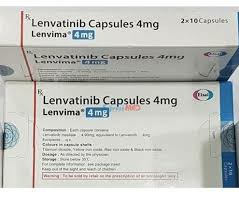
Lenvatinib (Lenvatinib), also known as Lenvatinib, is an oral multi-target tyrosine kinase inhibitor (TKI), developed by the Japanese company Eisai (Eisai) and used to treat many diseases. A variety of advanced solid tumors, including hepatocellular carcinoma (HCC), differentiated thyroid cancer (DTC), renal cell carcinoma (RCC) and endometrial cancer, etc. In order to ensure that patients obtain the best efficacy during treatment and minimize the risk of adverse reactions, the usage, dose adjustment and precautions of the drug are detailed in the clinical instructions. The following is an in-depth analysis of the usage and precautions in the instructions for lenvatinib.
1. Interpretation of [Usage and Dosage]
Recommended starting doses for different indications
The dose of lenvatinib is set according to the indication and patient weight. Common indications include hepatocellular carcinoma, differentiated thyroid cancer, renal cell carcinoma and endometrial cancer:
1.Hepatocellular carcinoma (HCC): adults with a body weight ≥60kg are recommended to take 12 mg orally daily; body weight <60kg The recommended daily oral intake is 8mg.
2.Differentiated thyroid cancer (DTC): It is recommended to take 24mg daily.
3.Renal cell carcinoma (RCC) (combined with everolimus): 18 mg orally daily.
4.Endometrial cancer (in combination with pembrolizumab): 20 mg orally daily.
Instructions on how to take the medicine
Lenvatinib should be taken at a fixed time every day, with or without food. Tablets should be swallowed whole and should not be crushed or chewed. If you miss a dose, you can take it again if it is more than 12 hours before the next dose; otherwise, the dose should be skipped and the dose should not be repeated.
Dosage adjustment recommendations
When patients experience serious adverse reactions (such as hypertension, proteinuria, severe diarrhea, bleeding, etc.), the dose should be reduced or the drug should be temporarily discontinued according to the degree of toxicity. The dosage reduction steps recommended in the instructions are usually adjusted in units of 4mg. For example, from 12mg to 8mg to 4mg. When resuming medication, careful judgment must be made based on the patient's recovery status.
2. Interpretation of [Notes]
1.The risk of hypertension requires close monitoring
One of the most common adverse reactions of lenvatinib is hypertension, which usually occurs early in treatment. The instructions suggest that blood pressure should be controlled before taking the medication and monitored regularly during treatment (especially in the first two months). If grade ≥3 hypertension occurs, treatment should be suspended, and the dose should be adjusted and medication resumed after the blood pressure is controlled.
2.Patients with impaired liver and renal function should use with caution
Patients with liver cancer may have abnormal liver function. The instructions indicate that patients with Child-Pugh B grade or worse need to use it with caution and monitor liver function indicators such as ALT, AST, and bilirubin. People with impaired renal function should also adjust the dose or monitor changes in renal function to prevent aggravation of renal damage.
3.Risk of bleeding and thrombotic events
Lenvatinib has anti-angiogenic effects and may increase the risk of bleeding. The instructions specifically warn that it should be used with caution in patients with bleeding tendencies or those taking anticoagulant drugs. If serious events such as intracranial bleeding or gastrointestinal bleeding occur, the drug should be discontinued immediately.
4.Risk of gastrointestinal perforation and fistula formation
Although the incidence rate is low, the instructions indicate that patients should be alert to the possibility of gastrointestinal perforation if they experience symptoms of abdominal pain, peritoneal irritation, etc. during treatment. Some tumors that invade the digestive tract need to be carefully evaluated before use.
5.QTMonitoring of interval prolongation
Lenvatinib may prolong the QT interval, and you should be vigilant especially when combined with other drugs that can prolong the QT interval. It is recommended to have regular electrocardiogram examinations, and patients with electrolyte disorders need to correct the abnormalities before using this drug.
6.Proteinuria and risk of nephrotic syndrome
Albuminuria and even nephrotic syndrome may develop during the use of lenvatinib.说明书建议用药前检测尿蛋白,并定期复查,若出现3级以上蛋白尿,应考虑暂停用药并调整剂量。
7.Hand-foot syndrome and skin toxicity
一些患者在用药过程中会出现手足综合征(皮肤脱皮、红肿、疼痛),应通过减少摩擦、保湿护理、局部药物等方式进行干预,如症状严重也需考虑减量。
8.Female fertility and breastfeeding advice
乐伐替尼可能对胎儿发育造成损害,育龄期女性用药期间必须采取有效避孕措施,且至少持续到最后一次服药后一个月。 Breastfeeding women are prohibited from taking this drug.
3. Precautions for use by special groups of people
1. Elderly patients: Elderly patients have poor tolerance and reduced drug metabolism. They should start with a lower dose and closely monitor adverse reactions.
2.Children and adolescents: There is currently no sufficient clinical trial data and it is not recommended for use by people under 18 years old.
3.药物相互作用:说明书中提及强效CYP3A4诱导剂或抑制剂可能影响药物血药浓度,需注意联合用药时的风险。
Lenvatinib, as a class of broad-spectrum targeted drugs, has shown significant efficacy in the treatment of various tumors.然而,该药物的治疗窗较窄,耐受性因人而异,临床应用过程中需严格按照说明书用法、剂量和监测标准执行。用药前应充分评估患者的基础疾病、实验室指标及用药史;用药期间应定期检查血压、肝肾功能、心电图、蛋白尿等指标,做到早发现、早干预、早调整。 For patients, taking medications regularly according to doctor's instructions and proactively reporting any uncomfortable symptoms can help improve efficacy and reduce risks. Taken together, lenvatinib is an anti-cancer drug with strong potential, but it is also a precise treatment tool that requires close monitoring and reasonable management.
Reference materials:https://www.drugs.com/
[ 免责声明 ] 本页面内容来自公开渠道(如FDA官网、Drugs官网、原研药厂官网等),仅供持有医疗专业资质的人员用于医学药学研究参考,不构成任何治疗建议或药品推荐。所涉药品可能未在中国大陆获批上市,不适用于中国境内销售和使用。如需治疗,请咨询正规医疗机构。本站不提供药品销售或代购服务。


