
.jpeg)
How long does Ripotinib generally extend life?
Repotrectinib (Repotrectinib) is a new generation of targeted drugs. Its core advantages include precise targeting, strong brain penetration, and excellent activity against drug-resistant mutation sites. Although patients are often asked in clinical practice, "How long can this drug extend life?", the life-extending effect of targeted drugs is not a fixed value, but is affected by multiple factors such as the patient's individual genetic characteristics, disease stage, medication compliance, and the presence of drug-resistant mutations. For patients with ROS1 or NTRK fusion mutations, the use of repotinib has undoubtedly significantly improved the quality of life and life expectancy, especially providing new hope in the context of ineffective previous therapies.
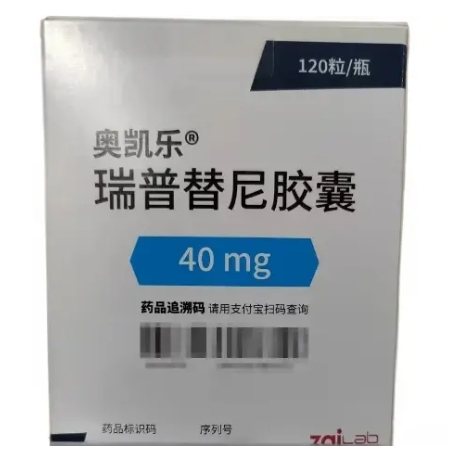
In ROS1-positive non-small cell lung cancer (NSCLC), traditional targeted drugs such as crizotinib and entrectinib are initially effective. However, once mutation sites such as ROS1 G2032R appear, the efficacy drops significantly. Ripotinib has a strong ability to inhibit these drug-resistant mutations, so it can be used to overcome drug-resistant progression and prolong patients' progression-free survival (PFS) and even overall survival (OS). Although there is currently a lack of large-scale head-to-head long-term survival data, early research results show that some patients with advanced ROS1-positive NSCLC have significantly longer disease stabilization time after receiving repotinib treatment, and some cases can maintain remission for more than a year or even longer.
In patients with NTRK fusion-positive solid tumors, because NTRK fusion is a driver mutation, traditional treatment options have limited efficacy. As a new generation of NTRK inhibitors, raprotinib not only has the ability to inhibit mutation sites that were previously drug-resistant, but can also significantly prolong the disease progression time. Some empirical cases have shown that after the use of repotinib, patients' quality of life has improved, some metastatic lesions have shrunk or even disappeared, significantly improving long-term survival possibilities.
It needs to be emphasized that extending life is not determined by the drug itself. Early detection, genetic testing, individual treatment cooperation, as well as reasonable nutritional support and psychological adjustment together form the basis for long-term survival.
Reference materials:https://www.drugs.com/mtm/repotrectinib.html
[ 免责声明 ] 本页面内容来自公开渠道(如FDA官网、Drugs官网、原研药厂官网等),仅供持有医疗专业资质的人员用于医学药学研究参考,不构成任何治疗建议或药品推荐。所涉药品可能未在中国大陆获批上市,不适用于中国境内销售和使用。如需治疗,请咨询正规医疗机构。本站不提供药品销售或代购服务。


