
.jpeg)
Selumetinib instructions include dosage, contraindications and indications
Selumetinib is an oral MEK inhibitor that blocks the proliferation signaling of tumor cells by inhibiting the activity of MEK1 and MEK2 kinases in the MAPK pathway. It shows high therapeutic potential in specific genetic mutation-related diseases. Selumetinib was originally developed by AstraZeneca and has been approved for marketing in many countries. It has made a major breakthrough in the treatment of neurofibromatosis in children. The following is a detailed introduction to the core content of the drug package insert regarding dosage, contraindications, and indications:
1. Description of indications
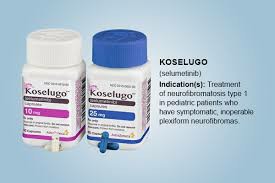
Selumetinib is primarily approved for the treatment of unresectable plexiform neurofibromas (PNs) associated with neurofibromatosis type 1 (NF1), particularly in children 2 years of age and older. This rare disease is a genetic tumor syndrome characterized by slow-growing but complex benign tumors in nerve tissue that can cause pain, movement disorders and other symptoms of organ compression.
In addition, selumetinib has also shown potential efficacy in certain RAS mutated tumors (such as thyroid cancer, colorectal cancer, lung cancer, melanoma, etc.) in the research stage. Therefore, selumetinib has been tried as a combination or monotherapy for other cancer types in clinical trials in some countries/regions, but it has not yet been widely approved for these indications.
2. Recommended dosage and usage
Based on currently approved uses, the recommended dose of selumetinib is often calculated based on body surface area (BSA), particularly in pediatric patients. For example:
For pediatric patients with a body surface area of 0.55 m² to 1.09 m², the recommended dose is 25 mg twice daily;
For pediatric patients with body surface area≥1.10m², the recommended dose is 50mg twice daily;
The dose commonly used in clinical trials for adult patients is 75 mg twice daily, but this dose needs to be adjusted based on individual tolerance.
Taking medication should be done on an empty stomach, that is, before mealsTake 1hour or 2hours after a meal to ensure the best absorption of the drug. When taking the medicine, swallow the tablet whole and do not chew, break or dissolve it.
3. Contraindications and people who should use it with caution
The use of selumetinib has certain contraindications and risks, especially in the following groups, which need to be carefully evaluated:
1.Contraindicated in pregnant and lactating women: Animal studies have shown that selumetinib may cause teratogenic effects on the fetus, so the drug is prohibited during pregnancy, and female patients should take effective contraceptive measures during treatment and for at least 1 week after discontinuation of the drug.
It is contraindicated for those who are allergic to selumetinib or its excipients;
2. Use with caution in patients with severe liver function abnormalities: drug metabolism is mainly completed through the liver, and patients with liver damage may experience drug accumulation or aggravation of adverse reactions;
3. Use with caution in patients with abnormal vision: selumetinib may cause ophthalmic problems such as retinal epithelial detachment. It is recommended to conduct a vision evaluation before taking the drug;
4.Patients with cardiac insufficiency need to be closely monitored: the left ventricular ejection fraction may decrease during medication, so patients with a history of heart disease need to pay special attention.
4. Adverse reactions and monitoring recommendations
Common adverse reactions of selumetinib include but are not limited to the following categories:
1.Skin reactions: such as acne-like rash, dryness, and itching;
2.Gastrointestinal symptoms: such as diarrhea, nausea, vomiting, and abdominal pain;
3.Ophthalmic problems: such as blurred vision, dry eye syndrome, and even severe retinopathy;
4.Systemic symptoms: such as fatigue, edema, and loss of appetite;
5.Abnormal laboratory indicators: such as elevated liver enzymes (ALT, AST), elevated creatine kinase, hyponatremia, etc.
It is recommended to conduct the following inspections regularly during use to ensure safety:
1.Liver function test: monitor ALT, AST and bilirubin levels before medication and regularly during treatment;
2.Vision examination: Perform eye examination every 1-2 months, especially stop medication and evaluate immediately if vision changes occur;
3.Heart function test: It is recommended to perform echocardiography regularly to monitor left ventricular ejection fraction;
4.Electrolyte and kidney function testing: monitor potassium, sodium, creatinine levels, etc.
If grade three or four toxic reactions occur, the medication should be suspended immediately, and the dose should be reduced or treatment resumed as appropriate after symptoms are relieved.
5. Precautions for drug interactions and combined medication
Selumetinib is mainly metabolized by CYP3A4 enzyme, so you should avoid taking strong CYP3A4 inhibitors or inducers (such as ketoconazole, rifampin, carbamazepine, etc.) at the same time during use to avoid affecting blood concentration. In addition, patients are advised to avoid eating foods containing grapefruit ingredients that may interfere with pharmacokinetics.
When selumetinib is used in combination therapy, close attention should be paid to the overlapping adverse reactions of other drugs. For example, when used in combination with EGFR inhibitors, PI3K inhibitors, it may increase toxicity such as rash, diarrhea, etc. Doctors should adjust the plan accordingly and strengthen monitoring.
Selumetinib, as a drug targeting the MEK pathway, provides an unprecedented targeted therapy in the treatment of NF1 related neurofibromas. The dose must be accurately calculated based on body surface area, and attention must be paid to the time, method, and effects of combined medication. During use, patients need to closely cooperate with doctors to regularly monitor liver function, vision, heart function and other indicators to ensure efficacy and safety. Although it is currently mainly used for rare diseases in children, its potential in the field of tumor treatment is gradually being explored, and it is expected to be expanded to targeted treatments for more cancer types in the future.
Reference materials:https://www.drugs.com/
[ 免责声明 ] 本页面内容来自公开渠道(如FDA官网、Drugs官网、原研药厂官网等),仅供持有医疗专业资质的人员用于医学药学研究参考,不构成任何治疗建议或药品推荐。所涉药品可能未在中国大陆获批上市,不适用于中国境内销售和使用。如需治疗,请咨询正规医疗机构。本站不提供药品销售或代购服务。


