
.jpeg)
Avapritinib adverse reaction symptoms and how to deal with them
Avapritinib (Avapritinib), as a highly effective targeted therapy for gastrointestinal stromal tumors and systemic mastocytosis, has brought new treatment hope to many patients. However, like other drugs, avatinib may also cause a series of adverse reactions during use. Understanding the symptoms of these adverse reactions and how to deal with them is crucial to ensuring the safety and effectiveness of patient treatment.
The most common side effects of avatinib in people with gastrointestinal stromal tumor (GIST) include fluid retention or swelling, nausea, fatigue or weakness, difficulty thinking, vomiting, decreased appetite, diarrhea, increased tearing, stomach pain, constipation, rash, dizziness, changes in hair color, and changes in certain blood tests. These symptoms may have a certain impact on the patient's daily life, so timely attention and appropriate measures need to be taken.
For patients with advanced systemic mastocytosis (AdvSM), the most common side effects after taking avatinib are similar to those for patients with GIST, but may focus more on fluid retention or distention, diarrhea, nausea, fatigue or weakness, and changes in blood tests.
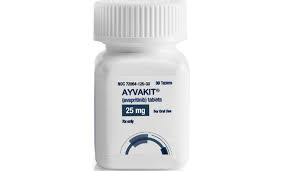
It is worth noting that avatinib may also cause some serious adverse reactions. Among them, cerebral hemorrhage is an extremely dangerous side effect that can lead to death. Patients should pay close attention to their symptoms during treatment. If they experience severe headache, nausea, vomiting, vision changes, drowsiness, dizziness, confusion, or severe weakness on one or more sides of the body, they should stop taking the medicine immediately and inform medical personnel. In addition, avatinib may cause cognitive side effects, such as forgetfulness, confusion, disorientation, difficulty thinking, increased drowsiness, hallucinations, and changes in mood or behavior. The occurrence of these symptoms may have a serious impact on the patient's quality of life, so it is necessary to communicate with medical staff in a timely manner and take appropriate measures.
Patients should also be aware of increased skin sensitivity to sunlight (photosensitivity) during treatment. To avoid skin damage, patients should limit exposure to direct sunlight, sunlamps, and other sources of UV radiation, and use sunscreen or wear clothing that covers the skin when they need to go outside.
For adverse reactions, medical staff may adjust the drug dose, temporarily stop or permanently stop avatinib treatment based on the patient's specific conditions. In addition, avatinib may also affect female and male fertility, so patients with fertility needs should fully communicate with medical staff before treatment.
It should be emphasized that the adverse reactions listed above are not all, and patients may encounter other unknown side effects while taking avatinib. Therefore, patients should pay close attention to their physical condition and communicate with your attending doctor in a timely manner in order to adjust the treatment plan and ensure the safety and effectiveness of the treatment.
Reference materials:https://www.drugs.com/pro/ayvakit.html
[ 免责声明 ] 本页面内容来自公开渠道(如FDA官网、Drugs官网、原研药厂官网等),仅供持有医疗专业资质的人员用于医学药学研究参考,不构成任何治疗建议或药品推荐。所涉药品可能未在中国大陆获批上市,不适用于中国境内销售和使用。如需治疗,请咨询正规医疗机构。本站不提供药品销售或代购服务。


