
.jpeg)
In-depth analysis of the working principle and efficacy of Avapritinib
Avapritinib, trade name Ayvakyt, belongs to the receptor tyrosine kinase inhibitor class of drugs. Its unique mechanism of action brings new treatment hope to patients with gastrointestinal stromal tumors (GIST) and systemic mastocytosis (SM). This article will deeply explore the working principle of avatinib and its remarkable efficacy in various diseases.
The core function of avatinib is to blockthe activity of GIST or specific receptor tyrosine kinase proteins on the surface of mast cells - PDGFRA and KIT. These proteins are involved in regulating cell growth under normal circumstances, but in GISTs and mast cells, they can become abnormal (mutated), leading to uncontrolled cell proliferation. By precisely inhibiting the activity of these abnormal proteins, avatinib is expected to slow down the growth of tumors or mast cells and provide new ways to treat diseases.
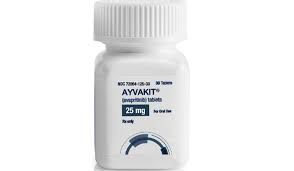
Avatinib has shown impressive efficacy in the field of gastrointestinal stromal tumors. A study of 38 GIST patients carrying the PDGFRA D842V mutation showed that 95% of patients responded to avatinib treatment, and it took an average of 22 months for the disease to worsen.
Avatinib also shows significant efficacy in patients with advanced systemic mastocytosis (AdvSM). In a study involving 47 patients with AdvSM who had received systemic therapy, 60% responded to avatinib treatment, and responses were expected to last for at least 12 months on average. This data further demonstrates the potential of avatinib in controlling disease progression in advanced SM.
In addition, avatinib has also demonstrated its unique value in the treatment of indolent systemic mastocytosis (ISM). A study involving 212 patients with moderate to severe ISM showed that after 24 weeks of treatment, patients treated with avatinib experienced an average decrease in total symptom score (TSS) on the ISM Symptom Assessment Form of 16%, while patients treated with placebo experienced only a 9% decrease in TSS score. Meanwhile, approximately 53% of patients treated with avatinib achieved the goal of at least a 50% reduction in the levels of mast cells or mast cell aggregates in the bone marrow. These data fully demonstrate the positive effect of avatinib in improving symptoms and reducing disease burden in patients with ISM.
In summary, avatinib, as an innovative receptor tyrosine kinase inhibitor, has demonstrated excellent efficacy in the treatment of gastrointestinal stromal tumors and systemic mastocytosis. Its precise mechanism of action, significant efficacy and good safety have brought new treatment hope to relevant patients.
Reference materials:https://www.drugs.com/pro/ayvakit.html
[ 免责声明 ] 本页面内容来自公开渠道(如FDA官网、Drugs官网、原研药厂官网等),仅供持有医疗专业资质的人员用于医学药学研究参考,不构成任何治疗建议或药品推荐。所涉药品可能未在中国大陆获批上市,不适用于中国境内销售和使用。如需治疗,请咨询正规医疗机构。本站不提供药品销售或代购服务。


