
.jpeg)
What are the medication precautions before and after using olezarsen?
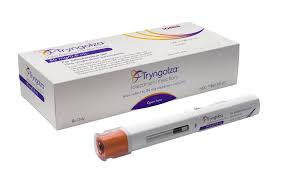
Olezarsen () is a new antisense oligonucleotide (ASO) drug, mainly used to treat severe hypertriglyceridemia (such as familial chylomicronemia syndrome, FCS). The drug reduces plasma triglyceride levels by inhibiting APOC3 gene expression. With its promotion in clinical application, patients should fully understand the relevant precautions before and after taking the drug to ensure the safety and efficacy of the drug.
1. Preparation for assessment before medication
Before starting to use Olezasen, doctors usually conduct a series of basic evaluations to ensure that the drug is suitable for the individual patient's situation. First, it is necessary to clarify the specific causes of elevated triglycerides, including whether they are genetic factors (such as FCS), diet-related factors, or secondary to other diseases such as diabetes, thyroid dysfunction, etc. In addition, potential contraindications such as abnormal liver function, severe renal impairment, or immune system diseases should be investigated.
Before taking medication, doctors will also evaluate the patient's lipid profile, especially the baseline of triglycerides, total cholesterol, HDL-C, LDL-C At the same time, liver function tests (such as ALT, AST), renal function tests and platelet counts should be performed as a basis for monitoring during subsequent medication. In addition, for patients treated with multiple medications, it is also necessary to check whether there is a risk of drug-drug interactions.
2. Key points of management and monitoring during medication
Olezacen is administered as a subcutaneous injection, usually once a week. Patients should ensure the accuracy and regularity of injections and avoid missed or excessive injections. If you inject yourself at home, you should receive professional training in advance, including mastering correct injection techniques, choosing the appropriate injection site (such as the abdomen, outer thigh, etc.), and how to deal with discomfort at the injection site.
Relevant monitoring needs to be carried out regularly during medication. It is recommended to recheck blood lipid indicators every 1 to 3 months to evaluate changes in triglyceride levels. At the same time, liver function and platelet count should also be monitored regularly to rule out potential adverse reactions. If significant increases in liver enzymes, significant decreases in platelets, or other abnormal symptoms occur during use, the doctor should be notified immediately and assessed whether treatment needs to be adjusted or suspended.
3. Be careful to avoid blind combination with other drugs.
Although no serious interactions have been found between olazasen and a large number of drugs, patients should use caution under the guidance of a doctor when using statins, fibrates or fish oil-based lipid-lowering drugs in combination to avoid overlapping drug effects or an increased risk of side effects. Especially for patients with hepatic insufficiency or those with multiple chronic diseases, the scope and dosage of combined drug use need to be more strictly controlled.
Concomitant use with drugs that may affect liver metabolism or immune response, such as certain antibiotics, antiepileptic drugs, or immunosuppressants, should also be avoided. Before using other prescription or over-the-counter drugs, be sure to inform your doctor that you are currently using Olezasen so that he can make a reasonable judgment.
4. Injection site reaction and treatment
Because Olezacen is administered subcutaneously, local reactions at the injection site are common. Patients may experience redness, swelling, induration, itching, mild pain, or bruising. Most of these reactions are mild, and the discomfort can be alleviated by applying cold compresses and avoiding repeated injections of the same site. If the local reaction lasts for too long, is too large, or is accompanied by signs of infection (such as suppuration, fever, etc.), you should seek medical treatment in time.
Patients are advised to rotate injection sites for each injection and keep the injection area clean and dry to reduce the occurrence of local irritation. For patients with local sensitive constitutions, topical drugs such as anti-inflammatory creams can be used under the guidance of a doctor to relieve symptoms.
5. Lifestyle coordination and disease management
Although Olezasen can significantly reduce triglyceride levels, its efficacy still depends on a good lifestyle. In the diet, you should control the intake of high fat and sugar, reduce the consumption of alcohol and refined carbohydrates, and consume more fruits and vegetables rich in dietary fiber and healthy fats such as Omega-3 fatty acids in deep-sea fish.
Appropriate exercise also has a positive effect on blood lipid control. It is recommended to perform moderate-intensity aerobic exercise, such as brisk walking, swimming, cycling, etc., 3 to 5 times a week, which can help improve metabolic capacity and drug efficacy. At the same time, it is necessary to control weight and manage chronic diseases (such as diabetes, hypertension, etc.) to build a comprehensive metabolic health system.
6. Precautions for use by special groups of people
There is insufficient data on the use of Olezasen in pregnant women, lactating women, children and people with severe liver and kidney function impairment, so the use of the drug in these groups needs to be done with extreme caution. Pregnant women should have their doctors assess the risks and benefits before using it to avoid potential effects on the fetus; lactating women need to know whether the drug may be passed through breast milk; and whether it is suitable for children and adolescents, more clinical research results need to be awaited.
In addition, elderly patients or patients with long-term chronic diseases may be more likely to experience side effects during medication, so the frequency of monitoring should be strengthened and the dose or injection frequency should be reasonably adjusted according to individual tolerance.
7. Considerations for drug withdrawal and resumption
If it is necessary to suspend the use of Olezasen due to side effects or changes in condition, the patient should strictly follow the doctor's instructions and not interrupt treatment on his own. After stopping the drug, changes in blood lipids need to be continuously observed and the need for alternative treatment or re-initiation of Olezasen should be considered. Before resuming medication, liver function, blood lipids, and immune system status should be re-evaluated to ensure safety.
Olezasen is a new drug that targets triglyceride lowering, especially in hypertriglyceridemiaFCSprovides new treatment options for severely ill patients. However, its use must follow standardized medical management processes, including pre-medication assessment, monitoring during medication, lifestyle coordination, injection operation specifications, management of special groups and other aspects. Through scientific individualized treatment and standardized medication, the efficacy of Olezasen can be maximized while reducing the risk of adverse reactions, truly improving the patient's treatment experience and quality of life.
Reference materials:https://www.drugs.com/
[ 免责声明 ] 本页面内容来自公开渠道(如FDA官网、Drugs官网、原研药厂官网等),仅供持有医疗专业资质的人员用于医学药学研究参考,不构成任何治疗建议或药品推荐。所涉药品可能未在中国大陆获批上市,不适用于中国境内销售和使用。如需治疗,请咨询正规医疗机构。本站不提供药品销售或代购服务。


