
.jpeg)
Macitentan side effects and how to deal with them
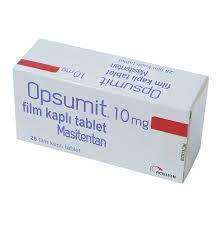
Macitentan (macitentan) is an endothelin receptor antagonist used to treat pulmonary arterial hypertension (PAH, WHO group 1). It provides patients with an important treatment option by delaying disease progression and reducing hospitalization and mortality. As a specific blocker of the endothelin system, the drug effectively improves pulmonary vascular resistance and cardiac function by inhibiting the binding of ET-1 to ETA and ETB receptors. However, like other drugs, macitentan may also produce a series of adverse reactions during use, which requires patients and medical staff to fully understand and take appropriate response measures.
From the perspective of its mechanism of action, macitentan works by permanently blocking endothelin receptors, and its metabolites also retain some pharmacological activity. Although this extensive inhibition of the endothelin system brings significant therapeutic effects, it also inevitably affects multiple physiological processes, leading to the occurrence of some adverse reactions.
The most common adverse reactions include anemia, upper respiratory tract infection, headache and urinary tract infection. Most of these reactions are mild, with an incidence rate of more than 3%. The occurrence of anemia is related to the potential impact of drugs on the hematopoietic system. It usually appears in the early stages of drug use and then stabilizes. Patients do not need to worry too much about these common adverse reactions, but they need to regularly monitor hemoglobin levels and make appropriate adjustments to the treatment plan under the guidance of a doctor.
Among the special adverse reactions, hepatotoxicity is a potential risk that needs to be focused on. Macitentan may cause elevated transaminases and, in severe cases, liver failure. Therefore, liver function tests must be performed before starting treatment and should be reviewed regularly during treatment. When the transaminase level exceeds the upper limit of normal value by 3 times, the drug should be stopped immediately. Patients should pay close attention to warning symptoms of liver damage, such as nausea, vomiting, right upper quadrant pain, jaundice, etc. Once these symptoms occur, they should seek medical treatment in time. This drug should be avoided in patients with existing liver damage, especially those with moderate or above liver damage.
Fluid retention is another adverse reaction that requires vigilance, especially in patients with left ventricular dysfunction. The risk is higher. During the period of medication, the patient's edema should be regularly assessed and weight changes should be monitored. If obvious body fluid retention occurs, the cause needs to be identified promptly and treatment options need to be adjusted. In addition, male patients should be aware of possible adverse effects of the drug on sperm production, which may temporarily affect fertility but usually recover after discontinuation of the drug.
For women of childbearing age, macitentan has clear fetal toxicity and may cause serious birth defects. Therefore, it is necessary to confirm that you are not pregnant before taking the medication, take reliable contraceptive measures during treatment, and perform pregnancy tests every month. Breastfeeding women should also avoid using this drug to prevent adverse effects on the baby. In terms of drug interactions, special caution is required when macitentan is combined with strong inducers or inhibitors of CYP3A4. These drugs may significantly affect the blood concentration of macitentan, and a change of treatment regimen should be considered if necessary.
Overall, although macitentan may cause a variety of adverse reactions, with proper monitoring and management, it can be used safely by most patients. The key is to fully assess the patient's condition before treatment, regularly monitor relevant indicators during treatment, and deal with any abnormalities in a timely manner. Patients should strictly follow the doctor's instructions when taking medication, do not adjust the dosage on their own, and return for regular follow-up visits. Medical staff should weigh the benefits and risks of treatment based on the patient's specific situation and formulate an individualized monitoring plan to ensure the safety and effectiveness of drug treatment. Through the joint efforts of both doctors and patients, the therapeutic value of macitentan can be maximized while minimizing the risk of adverse reactions.
Reference materials:https://www.opsumit.com/
[ 免责声明 ] 本页面内容来自公开渠道(如FDA官网、Drugs官网、原研药厂官网等),仅供持有医疗专业资质的人员用于医学药学研究参考,不构成任何治疗建议或药品推荐。所涉药品可能未在中国大陆获批上市,不适用于中国境内销售和使用。如需治疗,请咨询正规医疗机构。本站不提供药品销售或代购服务。


