
.jpeg)
How to use Thiotepa correctly and injection procedures
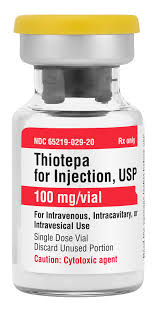
Thiotepa (Thiotepa) is a traditional alkylating anti-tumor drug that is widely used in chemotherapy for a variety of malignant tumors. It especially plays an important role in the pretreatment stage before hematopoietic stem cell transplantation, breast cancer, ovarian cancer, bladder cancer and brain tumors. As a cytotoxic drug, thiotepa has a strong therapeutic effect, but it also imposes strict requirements on the administration method, dose management, injection process and operational safety. This article will provide a detailed explanation of the correct use of thiotepa and injection procedures to help medical staff and patients complete treatment reasonably and safely.
1. Basic usage of thiotepa
Thetepa is mainly administered via intravenous injection, but can also be used for intravesical instillation or intrathecal injection. The specific administration method depends on the type of disease, treatment plan and individual patient conditions. The standard intravenous dosage is usually between 15 mg to 60 mg per square meter of body surface area, which is determined by the doctor based on the patient's condition, weight, liver and kidney function, and combined medication.
In the pretreatment program before hematopoietic stem cell transplantation, thiotepa is often used in combination with other high-intensity chemotherapy drugs, such as cyclophosphamide or melphalan, etc. The purpose is to completely eliminate tumor cells and provide good conditions for stem cell transplantation. During use, it needs to be administered on multiple days according to the plan. Multiple injections can be made daily, and the administration time and dosage should be strictly recorded.
2. Preparation and preparation requirements before injection
Before injecting thiotepa, the drug must be prepared by an experienced pharmacist or nurse. Drugs should be prepared in a sterile environment and strict compliance with aseptic operating techniques. The drug is usually diluted with physiological saline or glucose solution, and the concentration is adjusted according to the route of use. For example, for intravenous medication, thiotepa is often formulated at a concentration of 1 to 3 mg/ml.
Once the injection is prepared, it should be used within a short period of time. If it needs to be refrigerated, the storage time should not exceed 24 hours and should be protected from light. Operators should wear protective equipment such as gloves, masks, and goggles to prevent the drug from contacting the skin or eyes and causing damage, because thiotepa is a highly toxic drug and has a strong irritating effect on the skin and mucous membranes.
3. Injection operation procedures and precautions
When intravenously injecting or instilling thiotepa, a large vein should be selected and pre-flushed with normal saline to reduce local irritation. The infusion speed needs to be adjusted according to the patient's tolerance, and is usually controlled within 1 to 2 hours to complete the full injection to reduce the discomfort caused by the rapid entry of the drug into the body.
During the injection process, nurses should closely monitor the patient's vital signs and adverse reactions, including fever, nausea, vomiting, blood pressure changes, or allergic symptoms. If the patient experiences reactions such as allergies or phlebitis, the medication should be suspended immediately and the doctor should be notified for treatment. Residual liquid medicine, needles, infusion tubes, etc. after use must be disposed of as hazardous medical waste in accordance with regulations and are strictly prohibited from being discarded at will.
For intravesical instillation, it is necessary to ensure that there is no infection or damage in the bladder, and to keep the drug liquid in the bladder for a certain period of time (such as 2 hours). During this period, it is recommended that the patient turn over to ensure that the drug fully contacts the bladder wall. After infusion, the urine should be completely emptied and the patient should be informed to drink more water to help eliminate the drug and reduce bladder irritation symptoms.
4. Safety management and patient guidance
Because thiotepa has a strong bone marrow suppression effect, patients should regularly check blood routine, liver and kidney function, electrolyte levels and other indicators during the medication period to detect and deal with side effects caused by the drug in a timely manner. In particular, complications such as leukopenia, anemia, bleeding tendencies, and infection should be prevented.
During the period of treatment with thiotepa, patients should pay attention to improving their awareness of self-protection, such as avoiding crowded areas, preventing infection, and paying attention to personal hygiene. In addition, female patients should avoid pregnancy during treatment, while male patients should pay attention to fertility protection issues such as sperm preservation.
In terms of home care, after patients use thiotepa, drug metabolites in excretion (such as urine, feces) may still be toxic, and family members should avoid direct contact with patient excrement or pollutants. Wear gloves if care is required, and wash hands thoroughly after handling contaminants.
As a classic and important anti-tumor drug, thiotepa must be used in strict compliance with medical regulations. The preparation, injection and waste disposal after use of drugs all require professional operations. Patients should also fully understand the relevant precautions and cooperate with doctors for treatment and monitoring. Only with the guarantee of a safe and standardized medication process can the anti-cancer effect of thiotepa be maximized, while reducing potential damage to the body and achieving a balance between therapeutic effect and medication safety.
Reference materials:https://www.drugs.com
[ 免责声明 ] 本页面内容来自公开渠道(如FDA官网、Drugs官网、原研药厂官网等),仅供持有医疗专业资质的人员用于医学药学研究参考,不构成任何治疗建议或药品推荐。所涉药品可能未在中国大陆获批上市,不适用于中国境内销售和使用。如需治疗,请咨询正规医疗机构。本站不提供药品销售或代购服务。


