
.jpeg)
Are there any restrictions on Donanemab treatment for different age groups?
Donanemab (Donanemab) is a monoclonal antibody targeting β-amyloid protein (Aβ). It is mainly used for the treatment of early Alzheimer's disease (AD), especially for patients with amyloid deposition. Its mechanism of action is to slow down disease progression by identifying and clearing AAβ plaques in the brain. However, in clinical practice, the use of donelenumab is not unlimited for patients of all ages, especially in the elderly and still needs to be carefully evaluated.
The main research subjects of donenezumab in clinical trials are patients with early-stage Alzheimer's disease, usually between the ages of 60 and 85 years old. For patients in this age group, if they meet the conditions of early stage disease, acceptable cognitive function, and positive Aβ PET images, the use of donexumab may bring significant benefits. Trial data showed that some patients experienced a delay in slow cognitive and functional decline.
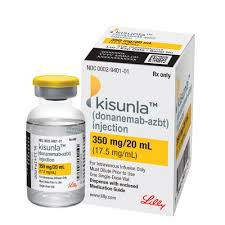
For elderly patients 85 years old or above or those with multiple comorbidities, there is still uncertainty about the efficacy and safety of donenezumab. The metabolic function of the elderly population declines, and is often accompanied by problems such as brain atrophy and cerebrovascular disease, which may increase the risk of cerebral edema or microbleeds after taking the drug. Therefore, in this type of patients, doctors usually need to conduct detailed evaluations, such as MRI to check for abnormal brain lesions, and decide whether to use it after weighing the pros and cons.
For young Alzheimer's disease patients under 65 years old (such as familial early-onset AD), there are currently few research data, and the efficacy and safety data of donenezumab in this population still need to be further verified. This means that although there is no mandatory age limit in terms of drug mechanism, in actual clinical operations, doctors prefer to prioritize people who meet the research standards to ensure efficacy prediction and risk control.
In summary, donenezumab is theoretically suitable for patients with Alzheimer's disease at specific stages, but it is not "unlimited" for all age groups. The rational use of this drug requires comprehensive judgment based on the patient's age, disease stage, brain imaging results and overall health status, and scientific evaluation under the guidance of a doctor to achieve maximum therapeutic benefit and ensure drug safety.
Reference materials:https://www.drugs.com
[ 免责声明 ] 本页面内容来自公开渠道(如FDA官网、Drugs官网、原研药厂官网等),仅供持有医疗专业资质的人员用于医学药学研究参考,不构成任何治疗建议或药品推荐。所涉药品可能未在中国大陆获批上市,不适用于中国境内销售和使用。如需治疗,请咨询正规医疗机构。本站不提供药品销售或代购服务。


