
.jpeg)
What indicators need to be monitored regularly while taking sotoraxib?
Sotorasib (AMG510, Sotorasib) is a KRAS G12C targeted inhibitor that is widely used to treat patients with KRAS G12C mutations in non-small cell lung cancer (NSCLC) and colorectal cancer (CRC). Although it is convenient to take orally and has relatively low side effects, during clinical use, patients still need to regularly monitor relevant physiological indicators to ensure maximum drug safety and efficacy. First of all, liver function tests (ALT, AST, total bilirubin) are items that must be tested regularly. Sotorracib may cause mild to moderate elevations in liver enzymes. Some patients may experience elevations in transaminases during the early stages of taking the drug. If the dose is not monitored and adjusted in a timely manner, severe liver damage may develop. Therefore, it is recommended to monitor liver function weekly during the first few weeks of taking the drug, and then every 2-4 weeks as appropriate.
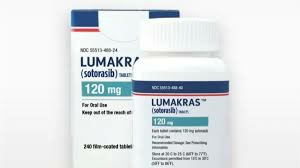
In addition, lung function and imaging monitoring are also areas of focus. Although rare, sotoracib may still cause drug-induced pneumonia or interstitial lung disease, manifested by non-specific symptoms such as dyspnea, dry cough, fever, etc. Therefore, it is recommended to perform chest CT review at regular intervals, especially when the patient complains of respiratory discomfort, timely evaluation is required.
Electrocardiogram and electrolyte testing should not be ignored either. A small number of patients may experience QT interval prolongation during use. Therefore, monitoring electrocardiogram and electrolyte levels such as potassium, calcium, and magnesium can help early identify the risk of abnormal heart rhythm, especially when combined with other drug treatments, you need to be more vigilant.
For tumor response evaluation, it is recommended to conduct imaging evaluation (such as CT or PET-CT) every 2-3 months to determine the control effect of sotoraxib on lesions and whether there are new lesions or progression of original lesions. If necessary, liquid biopsy can also be performed to detect the emergence of new drug-resistant mutations.
In general, although sotoracib is an oral targeted therapy, close laboratory and imaging monitoring is still needed to improve the safety and effectiveness of the treatment to ensure that patients maximize the benefits from long-term treatment.
Reference materials:https://www.lumakras.com/
[ 免责声明 ] 本页面内容来自公开渠道(如FDA官网、Drugs官网、原研药厂官网等),仅供持有医疗专业资质的人员用于医学药学研究参考,不构成任何治疗建议或药品推荐。所涉药品可能未在中国大陆获批上市,不适用于中国境内销售和使用。如需治疗,请咨询正规医疗机构。本站不提供药品销售或代购服务。


