
.jpeg)
What are the possible side effects of mivamutin injection?
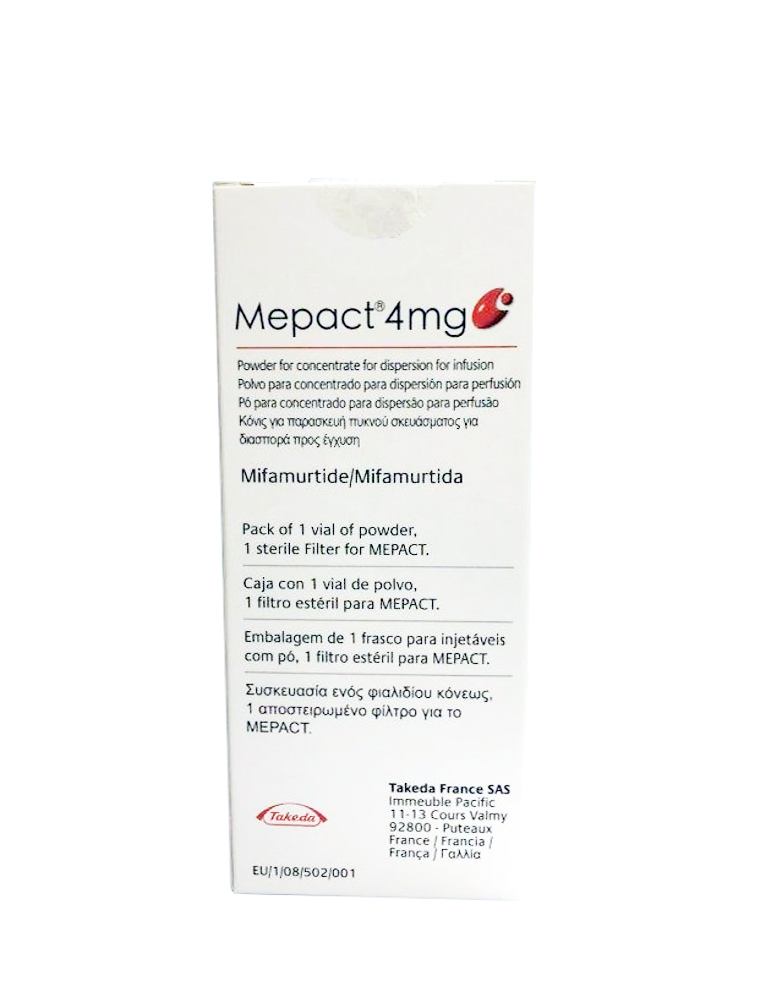
Mifamurtide injection (Mifamurtide) has a unique immune activation mechanism in the treatment of non-metastatic high-grade osteosarcoma and can enhance anti-tumor response by stimulating macrophages and monocytes. However, since its mechanism of action involves activating the body's immune system, a series of adverse reactions related to immune response may occur during use. Clinical research and actual use have shown that the side effects of mivamutide are mostly mild to moderate, often appear within a short period of time after taking the drug, and can be relieved by themselves.
The most common adverse reactions include fever, chills, and fatigue. These symptoms are caused by the activation of the immune system to produce inflammatory factors, similar to the "flu-like response" when the body responds to foreign antigens. Although not serious, it may affect the patient's quality of life. Other systemic symptoms include fatigue, hypothermia, sweating, and dizziness, which usually appear within a few hours of administration and are of shorter duration.
Adverse reactions in the digestive system include nausea, vomiting, diarrhea, constipation and abdominal pain, which are mostly caused by the immune response caused by the drug, and some patients may require auxiliary symptomatic treatment. Respiratory system reactions are also common, such as shortness of breath, coughing or mild difficulty breathing. In severe cases, you need to be alert to the risk of allergies or an excessive immune response.
Cardiovascularly, mivamutide may cause heart rate changes, including tachycardia, hypertension, or hypotension, and requires intensive monitoring, especially in the first few hours after administration. Central nervous system side effects include headache, difficulty concentrating, and mild dizziness, which usually resolve as the effects of the drug wear off.
Hematological abnormalities include mild anemia or leukopenia, which are generally reversible and occasionally require delaying the next medication cycle. In addition, musculoskeletal system discomfort is also relatively common, such as myalgia, joint pain, back or limb pain, etc., which are mostly transient and do not affect long-term treatment plans.
It is worth pointing out that most side effects are predictable and manageable, and doctors usually instruct patients in advance to use antipyretics or analgesics to prevent related symptoms. At the same time, during long-term maintenance treatment, regular monitoring of blood routine, electrocardiogram, and liver and kidney function can effectively reduce the risk of adverse reactions.
Reference materials:https://www.ema.europa.eu/en/medicines/human/EPAR/mepact
[ 免责声明 ] 本页面内容来自公开渠道(如FDA官网、Drugs官网、原研药厂官网等),仅供持有医疗专业资质的人员用于医学药学研究参考,不构成任何治疗建议或药品推荐。所涉药品可能未在中国大陆获批上市,不适用于中国境内销售和使用。如需治疗,请咨询正规医疗机构。本站不提供药品销售或代购服务。


