
.jpeg)
Does the safety data of Donanemab meet the medication standards?
Donanemab (Donanemab) is a new antibody drug targeting Alzheimer's disease (AD). It mainly acts on amyloid plaques in the brain and aims to slow down the decline of cognitive function. Its safety data is an important criterion for measuring whether the drug can be widely used. Clinical trial data show that donenemab exhibits good safety and tolerance in most patients, but the incidence and severity of specific adverse reactions still need to be paid attention to.
In multiple clinical trials, common adverse reactions of donelenumab include headache, injection site reactions, brain edema (ARIA-E), and microbleeds (ARIA-H). Among them, brain-related side effects are of particular concern. Although most cases are mild and reversible, some patients may develop severe neurological symptoms. Researchers strive to reduce the incidence of such events by closely monitoring and adjusting doses to ensure drug safety.
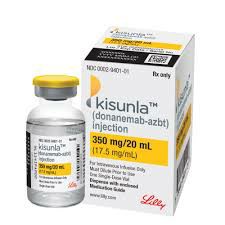
Overall, the safety data of donelenumab are in line with the medication standards set by most drug regulatory agencies, and the safety is continuously optimized with the accumulation of clinical experience. Donelumab is currently in the further clinical research and review stage, and regulatory authorities will determine its marketing and use scope based on comprehensive safety and efficacy data.
When patients use donenemab, they should be under the guidance of a professional doctor and regularly monitor possible adverse reactions, especially brain-related symptoms. Proper risk management and follow-up measures can ensure patient safety to the greatest extent, making donelezumab an effective and safe option for the treatment of Alzheimer's disease.
Reference materials:https://www.drugs.com/
[ 免责声明 ] 本页面内容来自公开渠道(如FDA官网、Drugs官网、原研药厂官网等),仅供持有医疗专业资质的人员用于医学药学研究参考,不构成任何治疗建议或药品推荐。所涉药品可能未在中国大陆获批上市,不适用于中国境内销售和使用。如需治疗,请咨询正规医疗机构。本站不提供药品销售或代购服务。


