
.jpeg)
What mechanism does Thiotepa use to effectively kill cancer cells?
塞替派(Thiotepa)是一种经典的烷化剂抗肿瘤药物,主要通过与癌细胞的DNA分子发生烷基化反应来发挥杀伤作用。 It can be converted into active intermediates in cells. These active substances form covalent bonds with the guanine bases in DNA, resulting in cross-linking or breakage between DNA chains. This structural damage blocks the normal replication and transcription of DNA, ultimately preventing cancer cells from dividing and proliferating normally.
Threpipide has strong selectivity for rapidly dividing tumor cells because these cells are more sensitive toDNA damage. The cross-linking of DNA strands not only prevents the DNA double strands from being separated, but also hinders the cell's own repair mechanism, causing the cell to accumulate fatal damage. As the damage worsens, cancer cells initiate the programmed cell death process, known as apoptosis, and are thus effectively eliminated.
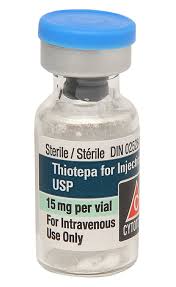
In addition, thiotepa has good cell penetration ability and can quickly enter the cell nucleus and directly act on theDNA molecules. Its chemical structure is stable and it can continue to exert anti-cancer activity in the body. Compared with some other drugs, thiotepa has shown a wide range of therapeutic effects in a variety of tumor types, and is especially widely used in solid tumors and hematological malignancies such as breast cancer, ovarian cancer, and bladder cancer.
In general, thiotepa kills tumor cells by alkylating DNA, causing DNA to break and cross-link, blocking the replication and repair process of cancer cells. Its potent DNA damaging effect and good cell penetration make it an important drug in a variety of chemotherapy regimens, bringing effective treatment options to patients.
Reference materials:https://www.drugs.com/
[ 免责声明 ] 本页面内容来自公开渠道(如FDA官网、Drugs官网、原研药厂官网等),仅供持有医疗专业资质的人员用于医学药学研究参考,不构成任何治疗建议或药品推荐。所涉药品可能未在中国大陆获批上市,不适用于中国境内销售和使用。如需治疗,请咨询正规医疗机构。本站不提供药品销售或代购服务。


