
.jpeg)
Evaluation of clinical efficacy and therapeutic effect of fostatinib (fotantinib)
Fostamatinib (also known as Fostamatinib) is an oral spleen tyrosine kinase (Syk) inhibitor. It is mainly used to treat chronic immune thrombocytopenia (ITP). It is especially suitable for refractory adult patients who are refractory to first-line treatments such as corticosteroids and immunoglobulins. It effectively reduces immune-mediated platelet destruction by regulating the abnormal activation mechanism of the immune system, thereby increasing platelet count.
In clinical studies, fostatinib has shown a clear therapeutic effect. According to relevant III phase clinical trial data, approximately 18% to 25% of ITP patients can survive
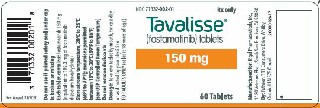
In addition toITP, fostatinib has also been studied for the treatment of immune-related diseases such as rheumatic diseases and autoimmune hemolytic anemia, showing good potential application prospects. Because its mechanism of action targets immune-mediated inflammation and cell destruction pathways, it can achieve disease control effects in some immune diseases, and it has strong targeting and relatively reduces damage to normal cells.
Although the efficacy of fostatinib is clear, some patients may experience adverse reactions such as hypertension, diarrhea, and elevated liver enzymes during treatment. Therefore, liver function, blood pressure, and blood routine indicators need to be regularly monitored during use. Overall, fostatinib provides a new treatment path for patients with refractory ITP. Its stable increase in platelet capacity and good tolerability make it an important choice for second-line treatment.
Reference materials:https://www.drugs.com/
[ 免责声明 ] 本页面内容来自公开渠道(如FDA官网、Drugs官网、原研药厂官网等),仅供持有医疗专业资质的人员用于医学药学研究参考,不构成任何治疗建议或药品推荐。所涉药品可能未在中国大陆获批上市,不适用于中国境内销售和使用。如需治疗,请咨询正规医疗机构。本站不提供药品销售或代购服务。


