
.jpeg)
Overview of the main functions, efficacy and side effects of regorafenib
Regorafenib is a multi-target small molecule tyrosine kinase inhibitor mainly used to treat advanced tumors, including advanced colorectal cancer (CRC), gastrointestinal stromal tumor (GIST) and advanced hepatocellular carcinoma (HCC). Since regorafenib was first approved in 2011, it has become one of the key drugs in the treatment of multiple refractory cancers. Regorafenib achieves anti-tumor effects by inhibiting multiple targets related to tumor growth, angiogenesis, cell migration and tumor metastasis.
1. Main functions and effects
The mechanism of action of regorafenib mainly relies on its interference with multiple cell signaling pathways. As a multi-target drug, regorafenib can inhibit tyrosine kinase receptors such as VEGFR (vascular endothelial growth factor receptor), PDGFR (platelet-derived growth factor receptor), FGFR (fibroblast growth factor receptor), etc. These receptors play a key role in the angiogenesis, proliferation, migration and metastasis of tumor cells. Therefore, regorafenib can prevent the growth and spread of tumor cells, especially in patients with advanced cancer who are resistant to other drugs, showing a more significant effect.
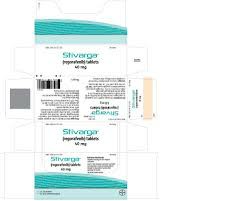
2. The application scope of regorafenib includes:
1. Advanced colorectal cancer (CRC): Regorafenib is usually used for advanced colorectal cancer (after conventional treatment), especially in patients who cannot be completely cured by surgical resection. Regorafenib can significantly delay tumor progression and improve patient survival rates, especially in patients who have failed chemotherapy and targeted therapies.
2. Gastrointestinal stromal tumors (GIST): Regorafenib has shown good efficacy in the treatment of patients with metastatic or locally advanced gastrointestinal stromal tumors, especially after the failure of other targeted drugs (such as imatinib), it can significantly improve the disease control rate.
3. Advanced hepatocellular carcinoma (HCC): For patients with advanced liver cancer who cannot undergo surgical resection or liver transplantation, regorafenib is the second-line treatment drug after failure of sorafenib treatment. Regorafenib can effectively inhibit the progression of liver cancer and improve the quality of life of patients through multi-target effects.
These effects of regorafenib make it an important treatment option for a variety of advanced tumors, especially in patients who are refractory to other treatments, providing new treatment hope.
3. Overview of Side Effects
Although regorafenib has significant anti-tumor efficacy, it is also associated with some side effects. Because its targets involve multiple biological processes, the side effects of regorafenib are mainly related to its effects on tumor angiogenesis, normal cell proliferation, and the immune system. Common side effects include:
1. Hypertension: Regorafenib may cause hypertension. This is due to the drug's inhibitory effect on vascular endothelial growth factor (VEGF) receptors, causing blood vessels to constrict and increase blood pressure. Patients need to monitor their blood pressure regularly during treatment and intervene as needed.
2. Skin reactions: Regorafenib may cause skin reactions such as rash, hand-foot syndrome (including swelling, pain and redness of the hands and feet). Skin discomfort is one of the common side effects of regorafenib and may affect patients' quality of life.
3. Diarrhea and loss of appetite: Diarrhea is a common side effect of regorafenib treatment, especially in the initial stage of treatment. Some patients may experience nausea, vomiting, abdominal pain and loss of appetite and other digestive system adverse reactions.
4. Fatigue: Fatigue is a common problem during regorafenib treatment, which may be related to the inhibitory effect of the drug on normal cells and the metabolic process of the drug itself. Some patients may feel obvious fatigue during treatment, which affects daily activities.
Since the side effects of regorafenib may have an impact on the patient's health, doctors need to closely monitor the patient's response during treatment and adjust the treatment plan according to the severity of the side effects.
Reference materials:https://www.stivarga-us.com/
[ 免责声明 ] 本页面内容来自公开渠道(如FDA官网、Drugs官网、原研药厂官网等),仅供持有医疗专业资质的人员用于医学药学研究参考,不构成任何治疗建议或药品推荐。所涉药品可能未在中国大陆获批上市,不适用于中国境内销售和使用。如需治疗,请咨询正规医疗机构。本站不提供药品销售或代购服务。


