
.jpeg)
What are the indications and contraindications of Tepotinib?
Tepotinib as a MET inhibitor, is mainly used to treat cancer patients with MET gene mutations or MET gene amplification, especially MET mutation-positive non-small cell lung cancer (NSCLC). Its mechanism of action is by inhibiting the tyrosine kinase activity of MET receptors, thereby blocking signaling pathways related to tumor growth and metastasis.
1. Indications:
Tepotinib is mainly used to treat non-small cell lung cancer (NSCLC), especially those with MET exon 14 skipping mutations. MET exon 14 skipping mutation is an important biomarker, which can lead to changes in MET protein function, thereby promoting abnormal proliferation and metastasis of tumor cells. Tepotinib, as a targeted drug, can selectively inhibit the growth of tumors caused by MET mutations and help delay tumor progression.
In practical applications, the treatment targets of tepotinib are mainly those patients with MET mutation-positive non-small cell lung cancer who are resistant to other chemotherapy or immunotherapy. MET mutation-positive non-small cell lung cancer. Compared with traditional chemotherapy drugs, Tepotinib's targeting effect can more accurately act on tumor cells, reduce damage to healthy tissues, and have relatively few side effects.
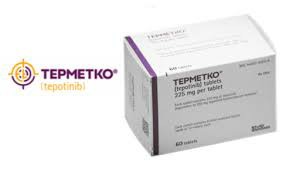
2. Contraindications:
Tepotinib is not suitable for all cancer patients and should be avoided in patients with:
1. Allergic reaction: Patients who are allergic to tepotinib or any of its components should avoid using this drug. An allergic reaction may manifest itself as a rash, shortness of breath, swelling of the face or throat, and other symptoms.
2. Pregnancy and lactation: Although the safety of tepotinib in pregnant women has not been fully evaluated, in general, all anti-cancer drugs may have adverse effects on the fetus. Therefore, pregnant and lactating women should avoid use unless the potential benefits of treatment outweigh the risks under a doctor's assessment.
3. Patients with severe hepatic and renal insufficiency: Tepotinib is metabolized mainly through the liver. Therefore, patients with severe liver disease should use this drug with caution. In patients with severe hepatic impairment or renal insufficiency, use of this medication may result in accumulation of the medication, increasing the risk of side effects.
Reference materials:https://www.tepotinib.com/
[ 免责声明 ] 本页面内容来自公开渠道(如FDA官网、Drugs官网、原研药厂官网等),仅供持有医疗专业资质的人员用于医学药学研究参考,不构成任何治疗建议或药品推荐。所涉药品可能未在中国大陆获批上市,不适用于中国境内销售和使用。如需治疗,请咨询正规医疗机构。本站不提供药品销售或代购服务。


