
.jpeg)
Can pazopanib/pazopanib be taken on an empty stomach?
Pazopanib is an oral multi-target tyrosine kinase inhibitor widely used in the treatment of advanced renal cell carcinoma (RCC) and soft tissue sarcoma (STS). As a targeted drug, it inhibits the formation of tumor blood vessels and cell mitosis by inhibiting a variety of receptors related to angiogenesis and tumor proliferation (such as VEGFR, PDGFR, FGFR, etc.). Due to its unique pharmacological properties, the way pazopanib is taken has a significant impact on the efficacy. The most frequently asked question is: Can it be taken on an empty stomach?
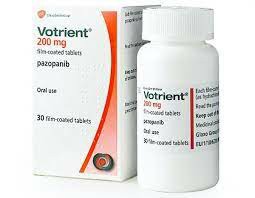
Current clinical guidelines do not recommend taking pazopanib on an empty stomach. This is mainly due to its extremely high sensitivity to food. Studies have shown that taking pazopanib after a high-fat meal can more than double its plasma concentration (AUC) compared with fasting. This change means that if the drug is taken after a meal, the concentration of the drug in the body will increase significantly, which may cause the drug to be too effective and cause adverse reactions; conversely, if the drug is taken on an empty stomach, the drug will not be fully absorbed, which may affect the efficacy and even cause the risk of disease progression.
Therefore, the standard recommendation is to take pazopanib on an empty stomach, and it must be taken at least1 hour before a meal or at least 2 hours after a meal. The purpose of this way of taking medication is to minimize the interference of food on drug absorption and stabilize the blood drug concentration within a controllable range, thereby ensuring the efficacy of the drug while reducing the risk of toxic side effects.
From the perspective of actual clinical operations, doctors generally recommend that patients take medication at a fixed time every day, for example, within one hour after getting up every morning, and ensure that they do not eat immediately before and after taking the medication. This can form a medication regularity and help improve the patient's compliance and treatment effect. At the same time, patients need to avoid taking it with grapefruit fruits, because these fruits may inhibit the hepatic drug enzymeCYP3A4 metabolism pathway, further changing the blood concentration of the drug, bringing uncertain risks.
Reference materials:https://www.votrient.com/
[ 免责声明 ] 本页面内容来自公开渠道(如FDA官网、Drugs官网、原研药厂官网等),仅供持有医疗专业资质的人员用于医学药学研究参考,不构成任何治疗建议或药品推荐。所涉药品可能未在中国大陆获批上市,不适用于中国境内销售和使用。如需治疗,请咨询正规医疗机构。本站不提供药品销售或代购服务。


