
.jpeg)
The reason why Thiotepa is known as a specific drug for treating tumors
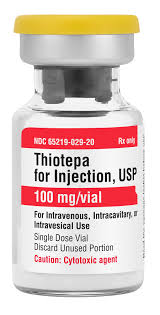
Thiotepa (Thiotepa), as a classic chemotherapy drug, has been used in the field of malignant tumor treatment for many years. Because of its unique pharmacological mechanism, good penetrating power and broad-spectrum anti-cancer properties, it is called "a special drug for treating tumors" by many experts. Although it is not as well-known among the public as some new targeted drugs or immunotherapy, it occupies an irreplaceable position in various cancer treatment options. This article will systematically analyze why thiotepa is known as a "specific drug" against tumors from four aspects: mechanism of action, scope of indications, central nervous system application, and advantages of combination therapy.
1. The mechanism of action is powerful and stable
Thetepa is a third-generation alkylating agent anti-cancer drug. Its core mechanism of action is to form cross-links with guanine, adenine and other bases of DNA molecules, breaking the DNA strands of tumor cells and blocking replication, thereby inducing cell apoptosis. This mechanism of action does not rely on specific signaling pathways or gene mutations and is applicable to many types of rapidly proliferating malignant cells. Compared with some targeted drugs that can only act on specific mutant tumors, thiotepa has shown wider adaptability in treating solid tumors and hematological tumors of different origins.
In addition, thiotepa is a non-cycle-specific drug that can act on tumor cells in the proliferating phase and interfere with cells in the quiescent phase. Its multi-point attack mechanism reduces the risk of drug resistance development to a certain extent, allowing it to still maintain good efficacy in some advanced or refractory tumors.
2. Wide range of indications, covering a variety of malignant tumors
Clinically, thiotepa is widely used in the treatment of various solid tumors and hematological tumors including breast cancer, ovarian cancer, bladder cancer, malignant lymphoma, leukemia and neuroblastoma, especially showing advantages in the treatment of relapsed and refractory cases. For example, thiotepa has become one of the standard combinations in high-dose chemotherapy for neuroblastoma and myeloablative regimen before stem cell transplantation.
In addition, it is often included in the pretreatment program for hematopoietic stem cell transplantation to remove residual cancer cells in the patient's body, improve the success rate of transplantation, and reduce the occurrence of rejection reactions. Precisely because of its clinical value in many fields, thiotepa has long been listed as a recommended drug in various tumor treatment guidelines.
3. Penetrate the blood-brain barrier and have outstanding effect in treating brain tumors.
One of the difficulties in tumor treatment is the accessibility of drugs to lesions in the central nervous system. Most chemotherapy drugs have difficulty penetrating the blood-brain barrier due to molecular structure or polarity issues, resulting in limited therapeutic effects on brain tumors or brain metastases. Thiotepa has strong fat solubility and can pass through the blood-brain barrier better and reach an effective concentration in the cerebrospinal fluid.
This advantage makes it one of the drugs of choice in brain tumors, meningeal metastases, central system leukemia and other diseases. In clinical practice, doctors can choose to administer thiotepa via high-dose intravenous injection or intrathecal injection to achieve effective control of central nervous system tumors. For breast cancer patients with neuroblastoma and brain metastasis, the addition of thiotepa can often bring about a more positive disease remission effect.
4. Combined treatment with other drugs to enhance efficacy
In tumor treatment, it is often difficult to achieve complete remission with a single drug, so combination therapy has become the standard treatment mode. The combination of thiotepa and cyclophosphamide, fludarabine, fluorouracil, carboplatin and other drugs has been proven to have good synergistic effects. For example, in patients with lymphoma and leukemia, a conditioning regimen of thiotepa plus fludarabine significantly improved the complete response rate and prolonged overall survival.
In the treatment of solid tumors, thiotepa is often included in the second-line or third-line treatment regimen for breast or ovarian cancer to deal with drug resistance or recurrence after chemotherapy. Because of its pharmacological complementarity and incomplete overlapping of toxicities with multiple drugs, it can better control adverse reactions while maintaining curative effect, optimizing the patient's overall treatment experience.
To sum up, the reason why thiotepa is called a "specific drug for the treatment of tumors" does not come from its absolute advantage in one aspect, but from its comprehensive strength in multiple dimensions - it has a stable and powerful anti-cancer mechanism, a wide range of indications and special central penetrating capabilities, and it can also improve the efficacy in combination therapy. For patients with relapsed and refractory tumors, those preparing for hematopoietic stem cell transplantation, or those suffering from central system tumors, thiotepa provides them with an important treatment. With the optimization of dosage forms and the accumulation of more clinical data, thiotepa will continue to play a key role in the field of tumor treatment and benefit more patients.
Reference materials:https://www.drugs.com/
[ 免责声明 ] 本页面内容来自公开渠道(如FDA官网、Drugs官网、原研药厂官网等),仅供持有医疗专业资质的人员用于医学药学研究参考,不构成任何治疗建议或药品推荐。所涉药品可能未在中国大陆获批上市,不适用于中国境内销售和使用。如需治疗,请咨询正规医疗机构。本站不提供药品销售或代购服务。


