
.jpeg)
Is Elafibranor treatment experience feedback good or not?
Elafibranor (Elafibranor) is a drug that has attracted much attention and is mainly developed to treat chronic liver diseases such as non-alcoholic steatohepatitis (NASH) and primary biliary cholangitis (PBC). As a dual-receptor agonist that activates PPAR α/δ, elafibratenol has achieved certain efficacy feedback in multiple clinical studies around the world, attracting widespread attention from patients and the medical community. This article will provide a detailed analysis of the treatment experience, clinical research data, patient feedback and usage suggestions of irafibratenol to help patients in need better understand the effects and prospects of this drug.
1. Pharmacological mechanism and indication background of irafibratenol
Ilafibratenol is an oral small molecule agonist that acts on the peroxisome proliferator-activated receptor (PPAR). Its targets include PPARα and PPARδ. PPARReceptors play a central role in regulating lipid metabolism, glucose metabolism and inflammatory responses. By activating these two isoforms, irafibratenol helps reduce liver fat deposition, improve insulin resistance, inhibit inflammatory responses and reduce fibrosis.
Ilafibratenol was first used to treat NASHNASH, which is a chronic liver disease related to metabolic syndrome that may develop into cirrhosis or even liver cancer if not properly controlled. In addition, it has also been included in clinical studies for the treatment of PBC, especially in patients with insufficient response to ursodeoxycholic acid (UDCA).
2. The efficacy reflected in clinical research data
Preliminary data on irafibratenol in the treatment of NASH in a large phase III clinical trial called RESOLVE-IT It has been shown to have a certain effect in improving liver tissue inflammation and liver enzyme levels. Some patients have experienced a decrease in ALT, AST and other indicators after use. At the same time, in some phase II clinical studies, irafibratenol also showed positive effects on reducing liver fat deposition and improving insulin sensitivity.
However, it is worth noting that the drug failed to pass the primary endpoint evaluation for the NASH indication in 2020, resulting in the research and development direction shifting from NASH to PBC. Research on PBC (e.g. The ELATIVE study) shows that elafibratenol has strong alternative treatment potential for those PBC patients who have poor response to ursodeoxycholic acid treatment. It can effectively reduce ALP (alkaline phosphatase) levels, improve liver function, and is well tolerated.
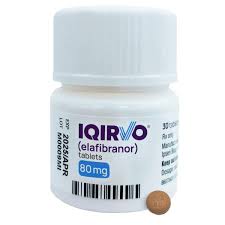
3. Real patient experience feedback
Based on patient feedback, the overall evaluation of irafibratenol is good in terms of improving liver function indicators and alleviating symptoms, especially among PBC patients. Some users said that their symptoms of fatigue and itching were relieved after use. Some early patients who used the drug said that their weight dropped slightly, liver discomfort symptoms were relieved, and their quality of life improved after taking the drug. In addition, blood lipid and blood sugar control also tend to improve during the medication period, which has additional benefits for patients with metabolic abnormalities.
However, some patients also reported some side effects during use, including mild diarrhea, loss of appetite, transaminase fluctuations, etc., most of which are within the controllable range. Overall, the incidence of side effects is low, mostly mild to moderate, and serious adverse reactions are rare.
It should be pointed out that due to individual differences, different patients have obvious differences in the response to the drug. Some patients have obvious effects, while others may not feel it. Therefore, the effect of elafibratenol still needs to be comprehensively evaluated based on individual conditions and doctor’s recommendations.
4. Usage Suggestions and Future Outlook
For patients considering using elafibratenol, it is recommended to conduct a comprehensive evaluation under the guidance of a professional hepatology department or gastroenterologist, including liver function, metabolic indicators, disease progression, etc., and to determine whether the drug is suitable for use in conjunction with clinical guidelines. Especially among patients with PBC whose ursodeoxycholic acid is ineffective, elafibratenol provides a new option worth trying.
At present, elafibratenol has not yet been officially launched in mainland China. Patients need to purchase it through overseas channels, mainly the original research version in the EU and some Asian markets. The price is relatively high, generally costing several thousand yuan per box. The cost of medication is not low, and decisions need to be weighed based on economic conditions.
In the future, with the accumulation of more clinical data and the expansion of potential indications for irafibratenol, its therapeutic scope and market acceptance are expected to be further expanded. Once approved for marketing in more countries and included in medical insurance, irafibratenol will become one of the important drug options in the treatment of chronic liver disease.
In general, irafibratenol, as a new type of PPAR dual agonist, is effective in PBC and NASHIt has shown certain efficacy and safety in the treatment of liver diseases. While expected endpoints were not quite met in some studies, real-world patient experience feedback was overall positive. For some patients with chronic liver disease for whom traditional drugs are ineffective, irafibratenol provides new treatment directions and hope. Rational use under clinical guidance is expected to bring substantial improvements to patients.
Reference materials:https://www.drugs.com/
[ 免责声明 ] 本页面内容来自公开渠道(如FDA官网、Drugs官网、原研药厂官网等),仅供持有医疗专业资质的人员用于医学药学研究参考,不构成任何治疗建议或药品推荐。所涉药品可能未在中国大陆获批上市,不适用于中国境内销售和使用。如需治疗,请咨询正规医疗机构。本站不提供药品销售或代购服务。


