
.jpeg)
Can Vorasidenib be used in combination with radiotherapy?
Vorasidenib is an oral, small-molecule dual IDH1/IDH2 inhibitor, mainly used to treat gliomas and other malignant tumors carrying IDH1 or IDH2 gene mutations. It blocks abnormal metabolism of tumor cells and inhibits tumor growth by inhibiting the activity of mutant isocitrate dehydrogenase (IDH). There has been some clinical exploration and research on whether voroxinib can be used in combination with radiotherapy, and a detailed analysis is provided below.
The mechanism of vorsidenib is different from that of radiotherapy. Radiotherapy directly destroys tumor cellsDNA through high-energy rays, while vorsidenib inhibits abnormal metabolism of tumor cells through metabolic pathways. In theory, there is synergistic potential between the two. Some early-stage clinical trials and studies are exploring the safety and efficacy of voroxiranib combined with radiotherapy in the treatment of glioma patients. Preliminary data indicate that the combination is better tolerable and is expected to improve local control rates.
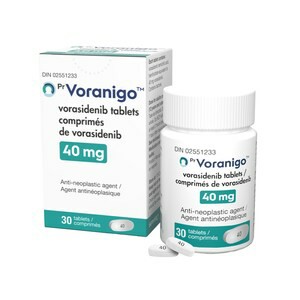
Combined use requires careful consideration of side effects and overall patient condition. Radiotherapy itself may cause cerebral edema, neurological dysfunction, etc., and vorsidenib, as a targeted drug, may also cause side effects such as abnormal liver function and fatigue. During combination therapy, the patient's liver and kidney function, nervous system status and overall tolerance need to be strictly monitored to avoid superposition of adverse reactions.
Currently, the use of vorsidenib in combination with radiotherapy is still in the clinical trial stage, and there is no widespread clinical guideline recommendation or formal approval. Before receiving such combination therapy, patients should consult a professional oncologist in detail and choose the most appropriate treatment plan based on a comprehensive assessment of their own condition, tumor molecular characteristics and treatment history, weighing the efficacy and risks.
In summary, the combination treatment of vorsidenib and radiotherapy shows certain potential in theoretical and preliminary clinical studies, but more large-scale clinical trial data are still needed to support it. Patients should never try combined medication on their own and should make individualized treatment decisions under the guidance of a professional physician.
Reference materials:https://www.drugs.com/
[ 免责声明 ] 本页面内容来自公开渠道(如FDA官网、Drugs官网、原研药厂官网等),仅供持有医疗专业资质的人员用于医学药学研究参考,不构成任何治疗建议或药品推荐。所涉药品可能未在中国大陆获批上市,不适用于中国境内销售和使用。如需治疗,请咨询正规医疗机构。本站不提供药品销售或代购服务。


