
.jpeg)
What precautions should be taken when using Elafibranor?
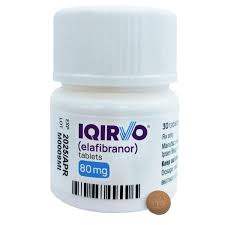
Elafibranor is a highly active peroxisome proliferator-activated receptor (PPAR) α/delta dual agonist, originally developed for the treatment of non-alcoholic steatohepatitis (NASH) and other metabolism-related liver diseases. In recent years, it has also been used to treat diseases such as primary biliary cholangitis (PBC). As a drug with a unique mechanism of action that is in the late clinical stage or has been approved in some countries, elafibratenol requires special attention to many aspects during its use, including clarity of indications, risks of combined medication, drug safety monitoring, and use restrictions for special groups. The following will provide a detailed analysis of the precautions for using elabaterol from multiple perspectives.
1. Medication indications need to be clear to avoid abuse
Ilafibratenol mainly acts on the PPAR-α and PPAR-δ receptor pathways. It can regulate fatty acid oxidation, inflammatory response and insulin sensitivity, and has certain anti-inflammatory and anti-fibrotic effects. Currently, the most common clinical use directions include:
Non-alcoholic steatohepatitis (NASH): Reduce liver fibrosis by improving liver lipid metabolism and inflammation.
Primary biliary cholangitis (PBC): For patients who are ineffective or have insufficient response to ursodeoxycholic acid (UDCA), irafibratenol can be used as an alternative or combined treatment option.
Patients must have a clear diagnosis before using this drug, and cannot purchase the drug on their own just based on elevated liver function indicators or fatty liver imaging. Use of this drug in patients with undiagnosed liver disease may mask disease progression and delay optimal treatment opportunities.
2. Liver function and lipid indicators need to be closely monitored during treatment
As a drug that acts on metabolic pathways, irafibratenol may also affect liver function, blood lipids and other indicators while exerting its curative effect. Therefore, the following monitoring should be carried out during use:
Liver function tests: includingALT, AST, ALP, GGT, total bilirubin, etc., which are used to determine the impact of drugs on liver cells and prevent hepatotoxic reactions.
Blood lipid monitoring: Ilafibratenol may cause an increase in HDL and mild fluctuations in LDL and triglycerides. Blood lipids need to be reviewed regularly before and during treatment so that the doctor can promptly adjust the dose or whether to combine it with statins.
Creatine kinase (CK) test: A very small number of patients who use PPAR agonists may develop symptoms of muscle damage. They should seek medical attention as soon as possible if they experience myalgia or fatigue.
Renal function assessment: It is recommended to monitor serum creatinine and urine protein during long-term medication to prevent potential renal damage.
3. Drug interactions and combined medication should be handled with caution
Although irafibratenol has a weak effect on metabolic enzymes, there is still a certain risk of drug interactions:
When used in combination with statin lipid-lowering drugs, attention should be paid to the risk of elevated muscle enzymes. The combination of the two may increase the risk of rhabdomyolysis. Especially when used in combination with simvastatin, atorvastatin, etc., CK levels should be monitored.
Combined use with ursodeoxycholic acid (UDCA) is a common strategy for treating PBC, but dosage needs to be adjusted gradually to prevent cholestasis or fluctuations in liver function.
If patients take anti-diabetic drugs and anti-hypertensive drugs concurrently, special attention should be paid to weight, edema, electrolytes, etc. to prevent overlapping drug effects.
In addition, long-term co-administration of irafibratenol with drugs known to be highly toxic to the liver (such as certain antibiotics and anti-epileptic drugs) should be avoided.
4. Use restrictions and medication recommendations for special groups
Pregnant and lactating women: There is currently insufficient human research data to support the safety of elafibratenol in pregnant and lactating women. Therefore, it is recommended to avoid using this drug during pregnancy. If you really need to use it, you need to weigh the pros and cons and do it under the supervision of a doctor.
Children and Adolescents: There is insufficient clinical trial data to prove its safety and effectiveness in people under 18 years of age, so it is not recommended for use in children.
Elderly patients: Elderly people are highly sensitive to drugs. They should fully evaluate their liver and kidney functions before taking medication, start with a small dose, and gradually adjust according to the efficacy.
Patients with liver cirrhosis or severe hepatic insufficiency: The metabolic capacity of these people is reduced, which may lead to drug accumulation and toxic and side effects. They should be used with caution or banned.
5. Identification and response to adverse reactions
In clinical use, the adverse reactions of elafibratenol are relatively mild, and common side effects include:
Digestive system reactions: such as abdominal distension, nausea, diarrhea, mild elevation of aminotransferases;
Nervous system reactions: such as headache, fatigue;
Skin reactions: such as rash, itching (rare);
Metabolism-related reactions: Some patients experience fluctuations in blood sugar or blood lipids.
Once obvious discomfort occurs or the transaminases increase more than 3 times more than the normal value, the drug should be stopped immediately and seek medical treatment. Most mild adverse reactions resolve after discontinuation of the drug.
6. Patient compliance and lifestyle coordination
Although irafibratenol is an effective drug, its efficacy will be greatly reduced if the patient does not cooperate with lifestyle improvements (such as diet control, regular exercise, and abstinence from alcohol). It is recommended that patients cooperate with the following interventions under the guidance of a doctor:
Adhere to a low-fat and low-sugar diet and control total calorie intake;
Avoid drinking alcohol to reduce additional burden on the liver;
Perform aerobic exercise3-5 times a week to improve insulin sensitivity;
Follow up regularly and make long-term medication plans and monitoring arrangements.
Ilafibratenol is a new treatment drug for metabolic liver diseases such as fatty liver and PBC. Its dual PPAR agonistic effects provide a new path for disease treatment. However, during use, it is still necessary to pay attention to the confirmation of drug indications, liver function monitoring, drug interactions, prevention of side effects, and rational use of drugs for special groups. Patients should use it regularly under the guidance of professional doctors and cooperate with lifestyle intervention to obtain maximum therapeutic benefits and ensure medication safety. As the drug is gradually launched clinically in various countries, its future launch and standardized application in China are worth looking forward to.
Reference materials:https://www.drugs.com/
[ 免责声明 ] 本页面内容来自公开渠道(如FDA官网、Drugs官网、原研药厂官网等),仅供持有医疗专业资质的人员用于医学药学研究参考,不构成任何治疗建议或药品推荐。所涉药品可能未在中国大陆获批上市,不适用于中国境内销售和使用。如需治疗,请咨询正规医疗机构。本站不提供药品销售或代购服务。


