
.jpeg)
Can Thiotepa be stopped midway during treatment?
Thiotepa (Thiotepa) is an alkylating chemotherapy drug that is widely used in the treatment of a variety of malignant tumors, especially in breast cancer, ovarian cancer, bladder cancer, and as a pretreatment regimen before hematopoietic stem cell transplantation. Because its mechanism is to achieve the effect of killing tumors by interfering with the DNA replication process of cancer cells, treatment often has a certain periodicity and consistency. So whether the medication can be stopped midway during use is a question that patients are often concerned about.
The efficacy of thiotepa usually depends on the complete treatment cycle, especially when used in combination with other drugs in chemotherapy regimens. The synergy between drugs plays a key role in killing cancer cells. If the patient stops taking the drug at will before completing the course of treatment, it may cause tumor cells to remain or even develop drug resistance, thus reducing the probability of successful treatment. Especially in the preconditioning phase before hematopoietic stem cell transplantation, interrupting the use of thiotepa may affect the success rate of transplantation and subsequent immune reconstitution.
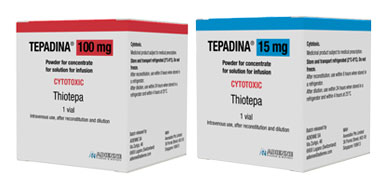
Although discontinuation of medication midway is not recommended, in some special cases, such as severe adverse reactions (such as bone marrow suppression, severe infection, abnormal liver and kidney function, etc.), the doctor may decide to suspend medication or adjust the dose after assessing the patient's condition. This kind of "discontinuation" is not decided by the patient, but is based on professional judgment of clinical safety and is usually accompanied by close monitoring and supportive treatment. After the condition stabilizes, a decision is made whether to resume medication.
If patients stop taking thiotepa without authorization due to side effects, discomfort, self-judgment of efficacy, or economic reasons, it may not only affect the overall treatment strategy, but also cause rapid tumor progression, recurrence, and even loss of the window for re-treatment. Certain cancer types, such as meningeal dissemination or high-risk leukemia, are extremely dependent on continuous medication and have a greater risk of interrupting treatment. Therefore, patients should communicate their discomfort or concerns with their doctor in a timely manner and jointly develop an adjustment plan instead of deciding to stop taking the medication on their own.
In summary, it is generally not recommended to discontinue the drug during the use of thiotepa, especially in the absence of clear medical indications. Even if side effects occur, the doctor should be reported promptly, who will decide whether to adjust the plan. Following a complete chemotherapy plan will not only help improve the success rate of treatment, but also manage possible adverse reactions more safely under physician supervision, thereby maximizing treatment benefits.
Reference materials:https://www.drugs.com/
[ 免责声明 ] 本页面内容来自公开渠道(如FDA官网、Drugs官网、原研药厂官网等),仅供持有医疗专业资质的人员用于医学药学研究参考,不构成任何治疗建议或药品推荐。所涉药品可能未在中国大陆获批上市,不适用于中国境内销售和使用。如需治疗,请咨询正规医疗机构。本站不提供药品销售或代购服务。


