
.jpeg)
Telmisartan (Micardis) Side Effects and Strategies to Deal with It
Telmisartan , as a widely used angiotensin II receptor antagonist, is mainly used to treat primary hypertension in adults. It effectively reduces blood pressure and improves cardiovascular health by specifically blocking the binding of angiotensin II to its receptors. Although telmisartan is generally considered safe and effective, some patients may still experience a series of side effects during clinical application. This article will discuss in detail the possible side effects of telmisartan and strategies to deal with them.
Side effects of telmisartan are uncommon, but in a large patient population, a certain proportion of patients may experience adverse reactions. These side effects include, but are not limited to, upper respiratory tract infections (such as throat and sinus inflammation), urinary tract infections, anemia, hyperkalemia, depression, insomnia, syncope, dizziness, bradycardia, hypotension, dyspnea, cough, abdominal pain, diarrhea, itching, rash, myalgia, back pain, muscle spasms, and kidney damage. Of note, hypotension may be more common in patients receiving telmisartan for cardiovascular disease prophylaxis.
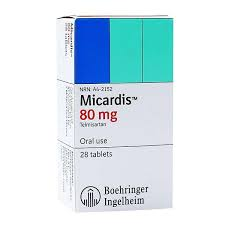
Faced with these potential side effects, patients and doctors should adopt proactive coping strategies. First of all, for patients who experience minor side effects, such as skin itching, mild gastrointestinal discomfort, etc., they can try to relieve symptoms by adjusting their diet, increasing water intake, and keeping their skin clean. If symptoms persist or worsen, discontinue medication immediately and consult a doctor.
For more serious side effects, such as syncope, bradycardia, dyspnea, etc., patients should seek medical treatment immediately. If necessary, they should stop taking the drug and receive professional treatment. The doctor may adjust the drug dosage or replace other antihypertensive drugs according to the patient's specific conditions to achieve better therapeutic effects and reduce side effects.
In addition, patients should undergo regular physical examinations while taking telmisartan, including blood pressure monitoring, liver and kidney function tests, etc., in order to promptly detect and deal with potential side effects.
Additionally,telmisartan should not be used by women who are more than three months pregnant. Not recommended for use during the first trimester of pregnancy. Telmisartan should not be used in people with severe liver problems or bile problems. Telmisartan also should not be used in combination with aliskiren-containing medicines (also used to treat essential hypertension) in patients with type 2 diabetes or moderate or severe renal impairment.
In short, telmisartan, as an effective antihypertensive drug, plays an important role in controlling blood pressure and improving cardiovascular health. However, patients should pay close attention to possible side effects during use and adopt active coping strategies. Through the professional guidance of doctors and the active cooperation of patients, the therapeutic effect of telmisartan can be maximized while reducing the occurrence of adverse reactions.
Reference: https://www.drugs.com/micardis.html
[ 免责声明 ] 本页面内容来自公开渠道(如FDA官网、Drugs官网、原研药厂官网等),仅供持有医疗专业资质的人员用于医学药学研究参考,不构成任何治疗建议或药品推荐。所涉药品可能未在中国大陆获批上市,不适用于中国境内销售和使用。如需治疗,请咨询正规医疗机构。本站不提供药品销售或代购服务。


