
.jpeg)
Understand the recommended usage and safe dosage of Elotuzumab
Elotuzumab (trade name: EMPLICITI) is a humanized monoclonal antibody targeting the SLAMF7 protein and is mainly used for the treatment of multiple myeloma. The drug was developed by Bristol Myers Squibb and has been approved for marketing in the United States and the European Union, but has not yet been introduced in China. Evolizumab significantly improves the treatment effect of patients with relapsed or refractory multiple myeloma when used in combination with lenalidomide (lenalidomide) or pomalidomide (pomalidomide) and dexamethasone. However, due to its special pharmacological effects and potential side effects, it is important to correctly understand its usage, dosage and precautions.
Evolizumab is clearly indicated for use in combination with lenalidomide and dexamethasone in adult patients with multiple myeloma who have received 1 to 3 prior therapies, or in combination with pomalidomide and dexamethasone in patients who have received at least two therapies, including lenalidomide and a proteasome inhibitor. Recommended dosages vary based on combination regimen. When used in combination with lenalidomide and dexamethasone, 10 mg/kg is administered intravenously weekly for the first two cycles and every two weeks thereafter until disease progression or unacceptable toxicity. When used in combination with pomalidomide and dexamethasone, 10 mg/kg is injected weekly for the first two cycles, and then the dose is adjusted to 20 mg/kg once every four weeks. It is worth noting that pretreatment, including dexamethasone, diphenhydramine, ranitidine, and acetaminophen, is required before each dose to reduce the risk of infusion reactions.
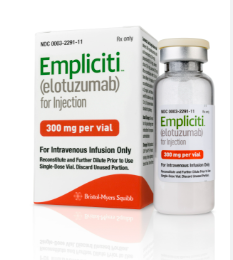
When using evolizumab, special attention must be paid to its possible adverse reactions and the safety of the drug in special populations. Common adverse reactions include fatigue, diarrhea, fever, constipation, cough, etc., with an incidence rate of more than 20%. In addition, infusion reactions are a more prominent problem. Mild to moderate reactions can be alleviated by slowing down the infusion rate or suspending medication, but severe reactions require permanent discontinuation of medication. The risk of infection also needs to be alerted, and patients should closely monitor fever or other signs of infection during use and intervene in a timely manner. Long-term medication may increase the incidence of second primary malignant tumors (SPM), so the patient's overall health needs to be regularly evaluated. For special groups, it is contraindicated in pregnant women because lenalidomide or pomalidomide in the combination regimen has clear fetal toxicity; lactating women should also avoid taking the drug. Efficacy and safety data in elderly patients (65 years and older) are limited and require individualized evaluation.
In terms of drug interactions, evolizumab may interfere with laboratory test results, especially serum protein electrophoresis (SPEP) and immunofixation tests that influence the assessment of response to treatment in multiple myeloma. Therefore, this confounding factor needs to be taken into account when interpreting test results. In addition, lenalidomide, pomalidomide and dexamethasone in combination medication all have their own drug interaction risks and need to be adjusted according to their individual instructions for use.
In summary, evolizumab provides an important treatment option for patients with multiple myeloma, but its use must strictly follow the recommended dosage and regimen, and adverse reactions must be closely monitored. Patients should take medication under the guidance of professional doctors to ensure the safety and effectiveness of treatment. Through standardized management and individualized adjustments, its efficacy can be maximized while potential risks can be reduced.
Reference materials:https://www.drugs.com/
[ 免责声明 ] 本页面内容来自公开渠道(如FDA官网、Drugs官网、原研药厂官网等),仅供持有医疗专业资质的人员用于医学药学研究参考,不构成任何治疗建议或药品推荐。所涉药品可能未在中国大陆获批上市,不适用于中国境内销售和使用。如需治疗,请咨询正规医疗机构。本站不提供药品销售或代购服务。


