
.jpeg)
Introduction to basic drug information of Esomeprazole tablets
Esomeprazole tablets (Esomeprazole), trade name Nexium (Nexium), is a proton pump inhibitor (PPI) widely used in clinical practice. The drug is originally developed and produced by AstraZeneca (AstraZeneca AB) and is produced in France. The dosage form is tablets. The common specifications are 20mg14 tablets and 20mg42 tablets. The drug is valid for 24 months. Esomeprazole significantly reduces gastric acid secretion by inhibiting proton pumps in gastric parietal cells, thereby playing an important role in the treatment of a variety of gastric acid-related diseases.
Esomeprazole tablets have a wide range of indications, covering a variety of gastric acid-related diseases in adult and pediatric patients. First, it is used to treat chronic esophagitis (EE), including short-term treatment and long-term maintenance treatment to prevent recurrence. Secondly, for symptomatic gastroesophageal reflux disease (GERD), esomeprazole can effectively relieve symptoms and is suitable for adults and children over 1 year old. In addition, the drug can also be used to reduce the risk of gastric ulcers associated with nonsteroidal anti-inflammatory drugs (NSAID), especially in adults aged ≥60 years old or with a history of gastric ulcers. In the treatment of Helicobacter pylori infection, esomeprazole is often used in combination with amoxicillin and clarithromycin to eradicate the infection and reduce the risk of duodenal ulcer recurrence. Esomeprazole also provides a long-term treatment solution for pathological endocrine hyperdiseases, such as Zoei syndrome in adults. It is worth mentioning that the drug can also be used in pediatric patients from 11 months to 1 years old to treat chronic esophagitis caused by gastroesophageal reflux disease.
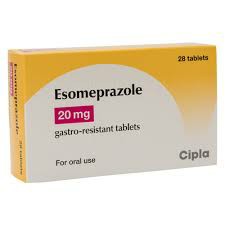
In terms of efficacy, esomeprazole tablets are highly recognized for their powerful acid-suppressing effect. Clinical studies have shown that it can quickly relieve symptoms of heartburn and acid reflux caused by gastroesophageal reflux disease and promote the healing of esophagitis in the short term. In high-risk patients who take long-term NSAIDs, esomeprazole can significantly reduce the incidence of gastric ulcers. Its synergistic effect has also been widely verified in combination therapy to eradicate Helicobacter pylori. However, despite the remarkable efficacy, patients still need to pay attention to possible side effects, such as headache, diarrhea, nausea, etc., and be wary of the risk of hypomagnesemia or fractures during long-term use.
Overall, esomeprazole tablets are a safe and effective gastric acid-suppressing drug, suitable for the treatment and prevention of a variety of gastric acid-related diseases. Patients should follow medical advice when using it and pay attention to dosage and treatment duration to ensure maximum efficacy while reducing potential risks.
Reference link: https://www.accessdata.fda.gov
[ 免责声明 ] 本页面内容来自公开渠道(如FDA官网、Drugs官网、原研药厂官网等),仅供持有医疗专业资质的人员用于医学药学研究参考,不构成任何治疗建议或药品推荐。所涉药品可能未在中国大陆获批上市,不适用于中国境内销售和使用。如需治疗,请咨询正规医疗机构。本站不提供药品销售或代购服务。


