
.jpeg)
Olipudase alfa-rpcp dosage and usage
Olipudase alfa-RPCP is an enzyme replacement therapy drug used to treat acid sphingomyelinase deficiency (ASMD), also known as Niemann-Pick disease B type. This is a rare genetic metabolic disease in which the patient's lack of or abnormal function of acid sphingomyelinase causes abnormal accumulation of lipids in the body, which in turn causes multiple organ damage. Olipadaase helps break down accumulated lipids and improves the condition by supplementing the missing enzymes in the body.
Olipadase is administered via intravenous infusion, and the entire infusion process needs to be operated and monitored by professional medical staff in a hospital or a medical institution with corresponding conditions.
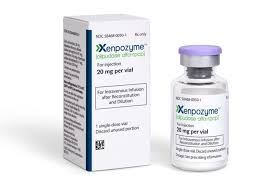
To reduce the risk of infusion reactions, the dosage of olipadase is gradually increased: the starting dose is usually 0.1mg per kilogram of body weight (mg/kg), and it is infused once every two weeks. Over the next few weeks, the dose is gradually increased based on patient tolerance, usually every two weeks, until the maintenance dose is reached. This escalation process generally lasts about 14 weeks, eventually reaching the maintenance dose. The recommended maintenance dose for adults is 3 mg/kg as an intravenous infusion every 2 weeks. After reaching the maintenance dose, patients should maintain this dose and frequency to maintain efficacy.
Before each infusion, Olipadaase needs to be diluted according to the instructions and then infused slowly intravenously. The infusion time is usually between 1 and 2 hours. The specific infusion rate should be adjusted by medical staff according to the patient's condition. During the infusion, the patient's vital signs and possible infusion reactions, such as fever, rash, allergic reaction, etc., should be closely monitored.
Patients especially need to be closely monitored for infusion-related adverse reactions when taking olipadase for the first time. If serious infusion reactions occur, they should be dealt with promptly and the dose should be adjusted or treatment suspended as appropriate. During long-term treatment, the patient's clinical status and laboratory indicators need to be regularly evaluated and the treatment plan adjusted.
Reference materials:https://www.xenpozyme.com/
[ 免责声明 ] 本页面内容来自公开渠道(如FDA官网、Drugs官网、原研药厂官网等),仅供持有医疗专业资质的人员用于医学药学研究参考,不构成任何治疗建议或药品推荐。所涉药品可能未在中国大陆获批上市,不适用于中国境内销售和使用。如需治疗,请咨询正规医疗机构。本站不提供药品销售或代购服务。


