
.jpeg)
Efficacy of osilodrostat
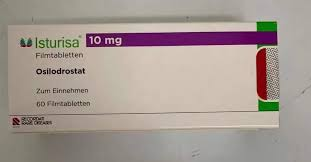
Osilodrostat is an oral drug used to treat Cushing's disease. It reduces cortisol synthesis by inhibiting 11β-hydroxylase (CYP11B1), thereby effectively reducing cortisol levels in the blood. Cushing's disease is an endocrine disorder caused by excess cortisol in the body. Patients may suffer from obesity, high blood sugar, hypertension, osteoporosis and other symptoms. The efficacy of oxidrostat in the treatment of Cushing's disease has been verified through multiple clinical studies, especially in patients who are inoperable or who have failed other treatments, showing significant efficacy.
Oxidrostat directly reduces the synthesis of cortisol by inhibiting 11β-hydroxylase (CYP11B1), reducing the negative impact of excessive cortisol on the body's system. In clinical studies, patients taking oxidrostat demonstrated significant reductions in cortisol levels. A key indicator is 24hour urinary free cortisol (UFC), which can accurately reflect the excess of cortisol in the body.
In a Phase III clinical trial, about 50% of patients were 8weeks, 24 hours urinary free cortisol (UFC) levels reached the normal range, indicating that oxidrostat has a significant effect in controlling excess cortisol. In addition, patients with longer treatment durations had sustained control of cortisol levels, demonstrating the long-term efficacy of oxidrostat.
Clinical observations also show that oxidrostat can effectively improve symptoms associated with Cushing's disease. For example, the common symptoms of hyperglycemia in Cushing's disease have been significantly improved after the use of oxidrostat. Many patients' blood sugar levels have dropped, and some patients no longer need high doses of insulin or oral hypoglycemic drugs. At the same time, treatment can also help improve patients' symptoms of hypertension and obesity. For patients with significant weight gain, oxidrostat can also help reduce weight and slow the progression of obesity.
Too much cortisol can lead to osteoporosis, which is often accompanied by a loss of bone density in people with Cushing's disease. Oxidrostat helps patients improve bone density by reducing excessive secretion of cortisol. In clinical studies, patients who received treatment showed a recovery of bone density to a certain extent, especially in those patients who had already experienced a significant decline in bone density.
Patients with Cushing's disease are often accompanied by cardiovascular risk factors such as hypertension, hyperglycemia, and lipid abnormalities. Oxidrostat may also help improve these cardiovascular risk factors while lowering cortisol levels. For example, in one trial, patients taking oxidrostat experienced improvements in blood pressure and cholesterol levels after treatment, reducing the risk of cardiovascular disease.
Oxidrostat has shown good efficacy for the following types of patients:
Patients with Inoperable Cushing's Disease: For those patients with Cushing's disease whose tumors cannot be surgically removed or who are not candidates for surgery, oxidrostat provides an effective alternative treatment option. Through pharmacological intervention, patients can control cortisol levels in the body and reduce symptoms in a shorter period of time.
Patients with recurrent Cushing's disease: Oxidrostat has also shown good efficacy in patients whose disease has not been effectively controlled despite having received other treatments (such as adrenalectomy, radiation therapy, or drug therapy). By continuing to suppress cortisol synthesis, oxidrostat can help these patients maintain long-term disease control.
Patients with poor response to non-surgical or radiotherapy: Oxidrostat is a medical treatment especially suitable for patients who cannot be completely cured by surgery or radiotherapy. These patients, who often have long-standing symptoms of hypercortisolism, can significantly reduce their symptoms and improve their quality of life with oxidrostat.
Although oxidrostat has shown significant clinical efficacy, its side effects cannot be ignored. Common side effects include nausea, headache, fatigue, gastrointestinal discomfort, etc., and may have a certain impact on liver function. Therefore, liver function, blood glucose levels, and electrolyte balance require close monitoring while using oxidrostat. In addition, because oxidrostat has the potential to cause hypoglycemia, especially in patients with diabetes, blood glucose levels need to be monitored closely during treatment.
Reference materials:https://isturisa.com/patient/
[ 免责声明 ] 本页面内容来自公开渠道(如FDA官网、Drugs官网、原研药厂官网等),仅供持有医疗专业资质的人员用于医学药学研究参考,不构成任何治疗建议或药品推荐。所涉药品可能未在中国大陆获批上市,不适用于中国境内销售和使用。如需治疗,请咨询正规医疗机构。本站不提供药品销售或代购服务。


