
.jpeg)
Esomeprazole side effects and how to deal with them
Esomeprazole tablets (Esomeprazole) is a widely used proton pump inhibitor (PPI). It is mainly used to inhibit gastric acid secretion and is suitable for a variety of gastric acid-related diseases, such as gastroesophageal reflux disease (GERD), combined treatment of chronic esophagitis (EE), Helicobacter pylori infection, and reducing the risk of gastric ulcers associated with non-steroidal anti-inflammatory drugs (NSAID). The drug has been used in both adult and pediatric patients and has shown good efficacy in both short-term and long-term treatment. However, like all drugs, esomeprazole may be associated with some adverse reactions. Patients need to understand its side effects and reasonable response methods to ensure safe medication.
In terms of efficacy, esomeprazole can significantly reduce gastric acid secretion by specifically inhibiting the H+-K+ ATPase of gastric parietal cells, thereby relieving symptoms such as heartburn and acid reflux, and promoting the healing of the esophageal or gastric mucosa. For high-risk patients who take long-term NSAIDs, it can effectively reduce the incidence of gastric ulcers; it can also improve the success rate of treatment in combination therapy to eradicate Helicobacter pylori. Although its efficacy is significant, some patients may experience adverse reactions during use, which requires attention.
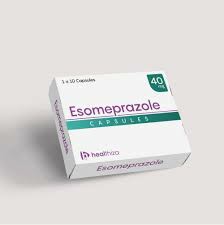
The side effects of esomeprazole vary by age. In adults (≥18 years), the most common adverse reactions include headache, diarrhea, nausea, flatulence, abdominal pain, constipation, and dry mouth, usually occurring at an incidence greater than 1%. For pediatric patients from 1 to 17 years old, the more common adverse reactions are headache, diarrhea, abdominal pain, nausea and drowsiness, with an incidence rate of ≥2%. In infants aged 1month to 1year old, problems such as abdominal pain, reflux of gastric contents, shortness of breath, and elevated ALT (liver enzyme) may occur. Most of these adverse reactions are mild and usually resolve gradually after continued medication or dose adjustment.
To address these side effects, patients can take corresponding measures. For example, if you have a headache or gastrointestinal discomfort (such as nausea, diarrhea, abdominal pain), you can first observe whether the symptoms reduce over time, and consult your doctor to adjust the medication plan if necessary. For constipation or dry mouth, it is recommended to increase fluid intake and dietary fiber to relieve symptoms. If ALT elevation or other liver function abnormalities occur, liver function needs to be monitored regularly and a decision should be made under the guidance of a doctor whether to continue taking the medication. In addition, long-term use of esomeprazole may increase the risk of hypomagnesemia or osteoporosis. Therefore, patients taking long-term medication should regularly check their blood magnesium levels and bone density, and supplement magnesium or calcium if necessary.
Overall, esomeprazole is an efficient and relatively safe gastric acid suppression drug, but patients need to use it rationally under the guidance of a doctor and pay close attention to possible side effects. If adverse reactions persist or worsen, you should seek medical advice promptly to adjust the treatment plan and avoid stopping the medication or changing the dose on your own. Through scientific medication management and appropriate response measures, the efficacy of drugs can be maximized while reducing the impact of adverse reactions.
Reference link: https://www.accessdata.fda.gov
xa0
[ 免责声明 ] 本页面内容来自公开渠道(如FDA官网、Drugs官网、原研药厂官网等),仅供持有医疗专业资质的人员用于医学药学研究参考,不构成任何治疗建议或药品推荐。所涉药品可能未在中国大陆获批上市,不适用于中国境内销售和使用。如需治疗,请咨询正规医疗机构。本站不提供药品销售或代购服务。


