
.jpeg)
Olipudase alfa-rpcp side effects
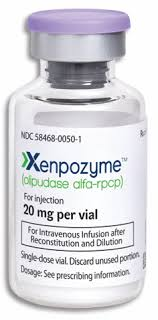
Olipadase (generic name: olipudase alfa-rpcp) is an enzyme replacement therapy drug for acidic sphingolipidosis (ASMD). Although its efficacy is significant, certain side effects may occur during use. Understanding these side effects and how to manage them is of great significance to ensuring safe medication use and therapeutic effectiveness for patients.
Infusion-Related Reactions (Infusion-Related Reactions) are the most common side effects during the use of olipadaase and usually occur during drug infusion or within hours after infusion. Symptoms include fever, chills, headache, nausea, vomiting, rash, hypotension or hypertension, difficulty breathing, cough and throat discomfort. Most of these symptoms are mild to moderate and are usually relieved after suspending the infusion, slowing down the infusion rate, or giving symptomatic treatment (such as antipyretic analgesics, antihistamines, or glucocorticoids).
Although allergic reactions and anaphylactic shock are rare, some patients may have an allergic reaction to olipadaase, which may even cause anaphylactic shock in severe cases. Symptoms include itchy skin, hives, swelling of the face and throat, difficulty breathing, rapid heartbeat, or sudden drop in blood pressure. In such a situation, the infusion must be stopped immediately and emergency treatment must be carried out.
Fever and chills are common manifestations of infusion-related reactions and may be accompanied by general malaise or fatigue. Most patients experience relief of symptoms after short rest and supportive treatment.
Some patients report headaches, muscle aches, or joint pain during treatment. These symptoms are mostly mild or moderate and usually do not affect the continuation of treatment.
Although Olipadase is used to improve liver dysfunction, individual patients may experience fluctuations in liver function indicators, and liver function needs to be monitored regularly to ensure timely detection of abnormalities and adjustment of treatment plans.
Because the drug is a recombinant enzyme preparation, some patients may produce anti-drug antibodies, affecting the efficacy of the drug or triggering immune-related reactions. Clinically, antibody levels and treatment effects need to be regularly assessed.
In order to reduce infusion reactions, clinical anti-allergic drugs (such as antihistamines, glucocorticoids) are usually given before infusion. Vital signs and possible allergic symptoms need to be closely monitored during medication, especially during initial administration and dose adjustment. If a serious infusion reaction occurs, the doctor may adjust the infusion rate or dose and suspend treatment if necessary. Patients and their families need to understand possible side effects and emergency treatment measures to ensure timely medical treatment.
Reference materials:https://www.xenpozyme.com/
[ 免责声明 ] 本页面内容来自公开渠道(如FDA官网、Drugs官网、原研药厂官网等),仅供持有医疗专业资质的人员用于医学药学研究参考,不构成任何治疗建议或药品推荐。所涉药品可能未在中国大陆获批上市,不适用于中国境内销售和使用。如需治疗,请咨询正规医疗机构。本站不提供药品销售或代购服务。


