
.jpeg)
Points to note when using Elotuzumab
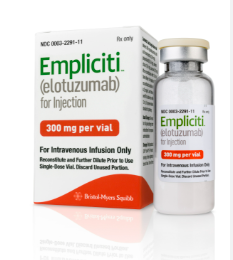
Evolizumab is a humanized monoclonal antibody targeting the SLAMF7 protein. It is mainly used to treat multiple myeloma. It is usually used in combination with lenalidomide (lenalidomide) or pomalidomide (pomalidomide) and dexamethasone. Although its efficacy is remarkable, many aspects need to be paid attention to during use to ensure the safety and effectiveness of the treatment.
Evolizumab may cause infusion reactions during infusion, including fever, chills, blood pressure fluctuations, etc. To reduce risk, pretreatment is recommended before medication, typically with medications such as dexamethasone, diphenhydramine, ranitidine, and acetaminophen. If the patient experiences an infusion reaction of grade 2 or more during the infusion, the drug should be suspended immediately and a decision should be made as to whether to permanently discontinue the drug based on the severity of the symptoms. Medical staff need to closely monitor the patient's vital signs, especially during the first infusion, to ensure timely response to possible allergies or adverse reactions.
Because evolizumab may affect immune system function, patients are at increased risk of infection during treatment. Common symptoms include fever, cough, pneumonia, etc. Therefore, medical staff need to regularly monitor patients for signs of infection. If abnormalities occur, they should promptly conduct pathogenic examinations and provide targeted treatment. For patients with a history of chronic infection or with low immune function, more caution is needed, and prophylactic antibiotics or antiviral drugs may be considered if necessary.
Evolizumab may have an impact on liver function, manifested by increased transaminases or cholestasis. During the treatment process, liver function indicators, such as ALT, AST and bilirubin levels, need to be measured regularly. If significant hepatotoxicity occurs, the drug should be discontinued promptly and the patient's liver function recovery should be evaluated, and hepatoprotective treatment should be given if necessary. For patients with a history of liver disease, the risks need to be fully assessed before taking the drug and monitoring should be strengthened during treatment.
Pregnant women should avoid the use of evolizumab because its combination with drugs (such as lenalidomide or pomalidomide) has clear fetal toxicity and may cause birth defects or miscarriage. Nursing women should also suspend breastfeeding during treatment to avoid the drug affecting the baby through milk. Safety in pediatric patients has not been established and use is not recommended. There are limited efficacy and safety data on elderly patients (65 years and above), but existing studies show that there is no significant difference between them and younger patients, and individualized evaluation is still needed.
Evolizumab needs to be stored refrigerated at 2°C~8°C and avoid freezing or vigorous shaking. Before administration, check whether the medicinal solution is clear and has no suspended solids or discoloration. A special infusion set must be used during infusion, and the infusion speed must be strictly controlled to reduce the occurrence of adverse reactions.
In short, evolizumab plays an important role in the treatment of multiple myeloma, but its use must strictly follow regulations and pay attention to infusion reactions, infection risks, hepatotoxicity, and medication safety for special populations. Through proper monitoring and management, treatment effects can be maximized while potential risks are reduced.
Reference materials:https://www.drugs.com/
[ 免责声明 ] 本页面内容来自公开渠道(如FDA官网、Drugs官网、原研药厂官网等),仅供持有医疗专业资质的人员用于医学药学研究参考,不构成任何治疗建议或药品推荐。所涉药品可能未在中国大陆获批上市,不适用于中国境内销售和使用。如需治疗,请咨询正规医疗机构。本站不提供药品销售或代购服务。


