
.jpeg)
How effective is Esomeprazole?
Esomeprazole , as a proton pump inhibitor (PPI) drug, is widely used in clinical treatment of a variety of gastric acid-related diseases. Its therapeutic effect is mainly reflected in the effective suppression of gastric acid secretion and the significant improvement of related symptoms. From the perspective of its mechanism of action, esomeprazole blocks the final step of gastric acid secretion by specifically inhibiting the H+-K+ ATP enzyme (proton pump) of gastric parietal cells. This inhibition is highly selective, allowing the drug to work precisely at the molecular level. It is worth mentioning that esomeprazole is the S- isomer of omeprazole. This structural feature makes its metabolism in the body more stable and bioavailable, resulting in a more potent and lasting acid-suppressing effect.
In terms of indications, esomeprazole has a wide range of clinical applications. For the treatment of erosive esophagitis, clinical studies have shown that a daily dose of 20-40 mg can achieve mucosal healing in most patients within 4-8 weeks. During the maintenance treatment phase, a daily dose of 20mg can effectively prevent disease recurrence. For symptomatic gastroesophageal reflux disease (GERD), esomeprazole can quickly relieve heartburn and reflux symptoms, and symptoms can usually be improved within 1-2 days of taking the medication. In the eradication treatment of Helicobacter pylori, the regimen combined with antibiotics shows a higher eradication rate, which is mainly due to the low acid environment it creates in the stomach and improves the stability of the antibiotics. In addition, esomeprazole can significantly reduce the risk of gastric ulcers in high-risk patients who take long-term nonsteroidal anti-inflammatory drugs (NSAIDs).
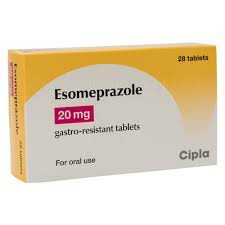
From the efficacy evaluation, esomeprazole has shown good therapeutic effects in different groups of people. Adult patients generally respond well to drugs, with symptom relief and mucosal healing rates remaining at a high level. For pediatric patients, although relevant research data are relatively limited, existing evidence shows that satisfactory therapeutic effects can also be obtained at appropriate doses. It is particularly worth noting that the efficacy of esomeprazole is dose-dependent. Within the daily dose range of 20-40 mg, as the dose increases, the acid-suppressing effect increases accordingly. This feature provides clinicians with the flexibility to tailor medication regimens to patient-specific conditions.
However, evaluation of treatment effects also needs to take into account individual differences. CYP2C19Gene polymorphisms can affect the metabolism rate of drugs, resulting in differences in blood drug concentrations among different patients. For patients with rapid metabolizers, higher doses may be required to achieve the desired therapeutic effect. At the same time, long-term use may affect the absorption of certain nutrients, such as vitaminsB12and magnesium, etc., which suggests that while pursuing therapeutic effects, we also need to pay attention to potential long-term effects. Overall, esomeprazole has become an important choice for the treatment of gastric acid-related diseases due to its reliable acid-suppressing effect and wide range of indications. However, in clinical application, individualized treatment plans still need to be formulated according to the specific conditions of the patient.
Reference materials:https://www.drugs.com/
[ 免责声明 ] 本页面内容来自公开渠道(如FDA官网、Drugs官网、原研药厂官网等),仅供持有医疗专业资质的人员用于医学药学研究参考,不构成任何治疗建议或药品推荐。所涉药品可能未在中国大陆获批上市,不适用于中国境内销售和使用。如需治疗,请咨询正规医疗机构。本站不提供药品销售或代购服务。


