
.jpeg)
What are the specific guidelines for the correct usage and dosage of tocilizumab?
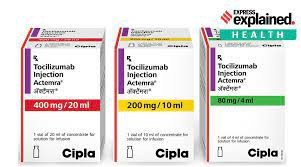
Tocilizumab is a recombinant humanized anti-IL-6 receptor monoclonal antibody that mainly inhibits inflammatory responses by blocking the interleukin-6 (IL-6) signaling pathway. Due to its significant efficacy in a variety of immune-mediated diseases, tocilizumab has been widely used in a variety of clinical indications, including rheumatoid arthritis, giant cell arteritis, systemic sclerosis-related interstitial lung disease, polyarticular and systemic juvenile idiopathic arthritis, cytokine release syndrome, and inflammatory storm related to severe COVID-19 infection. Its usage and dosage need to be individually adjusted according to the specific indications, patient weight and disease severity. The following is the standard dosage regimen for each major indication.
For adults with rheumatoid arthritis, tocilizumab can be used as a single agent or in combination with other traditional antirheumatic drugs (DMARDs). The starting dose is 4 mg per kilogram of body weight, infused by intravenous drip, with a recommended duration of 60 minutes, once every 4 weeks. If the response to treatment is insufficient, the dose can be increased to 8 mg/kg, but the maximum dose should not exceed 800 mg each time. Liver function, blood routine, and signs of infection need to be closely monitored during treatment to prevent potential immunosuppression-related complications.
In the treatment of giant cell arteritis, the recommended dose of tocilizumab is6 mg/kg, which is also administered intravenously, once every 4 weeks, and the maximum single dose is 600 mg. Most of these patients are taking concomitant glucocorticoids, and tocilizumab can help reduce the dose of steroids and maintain disease remission.
For systemic sclerosis-related interstitial lung disease (SSc-ILD), tocilizumab is administered as a subcutaneous injection, and the recommended dose is 162 mg weekly. This indication is currently limited to subcutaneous preparations, and intravenous preparations have not yet been approved.
The treatment of polyarticular juvenile idiopathic arthritis needs to be stratified according to body weight. For children weighing less than 30kg, the recommended dose is 10mg/kg, once every 4 weeks; for children weighing 30kg or more, the recommended dose is 8mg/kg, once every 4 weeks, both by intravenous infusion. Likewise, the dosing schedule for systemic juvenile idiopathic arthritis is similar, but the dosing interval is shortened to every 2 weeks. For children with small body weight, the dose is 12 mg/kg each time, and for children with large body weight, the dose is 8 mg/kg.
Cytokine release syndrome (CRS) usually occurs in patients receiving CAR-T cell therapy, and the role of tocilizumab as an immune modulator is particularly critical at this time. Patients weighing less than 30kg should be given 12mg/kg, while those weighing more than 30kg should be given 8mg/kg, intravenously infused over 60 minutes. In the absence of clinically significant relief, additional doses may be given every 8 hours, up to 3 additional doses. The treatment process needs to be combined with glucocorticoids to enhance the anti-inflammatory effect. Note that subcutaneous dosage forms are not approved for this indication.
As for the inflammatory storm caused by severe infection with the new coronavirus, the recommended dose of tocilizumab is8mg/kg, which should be given once by intravenous infusion. If the symptoms do not improve, an additional dose can be given at least 8 hours after the first dose. This treatment regimen has been confirmed in multiple COVID-19 clinical trials around the world, but it can only be used on severely ill patients and must be performed in professional medical institutions. The maximum single dose is still 800mg.
Reference materials:https://www.drugs.com/mtm/tocilizumab.html
[ 免责声明 ] 本页面内容来自公开渠道(如FDA官网、Drugs官网、原研药厂官网等),仅供持有医疗专业资质的人员用于医学药学研究参考,不构成任何治疗建议或药品推荐。所涉药品可能未在中国大陆获批上市,不适用于中国境内销售和使用。如需治疗,请咨询正规医疗机构。本站不提供药品销售或代购服务。


