
.jpeg)
How effective is reflimab? Objective response rate and survival data
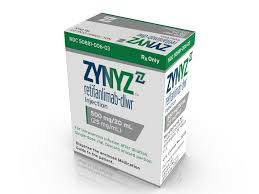
Retifanlimab - Zynyz is an emerging humanized anti-PD-1 monoclonal antibody immunotherapy drug developed by Incyte and belongs to the immune checkpoint inhibitors (ICIs) family. It blocks the binding of programmed death receptor 1 (PD-1) and its ligand PD-L1, thereby activating T cell-mediated anti-tumor immune responses and improving the immune system's ability to recognize and attack tumor cells. Currently, this drug is mainly undergoing clinical trials and application exploration for a variety of refractory advanced solid tumors, including squamous cell carcinoma of the anal canal (SCCA), Merkel cell carcinoma (MCC), melanoma, urothelial carcinoma, and non-small cell lung cancer.
1. Research progress in the field of indications
1. Squamous cell carcinoma of the anal canal (SCCA): Retifanlimab has received accelerated approval from the FDA for the treatment of patients with recurrent or metastatic SCCA who have failed first-line chemotherapy. This disease has limited efficacy in traditional treatments. Retifanlimab, as a PD-1 inhibitor, has shown considerable immune response activation ability;
2. Merkel cell carcinoma (MCC): a highly aggressive and rare skin cancer, for which Retifanlimab is being evaluated as a single agent in phase II clinical studies;
2. Objective response rate (ORR) related data
In thePOD1UM-202 trial, Retifanlimab showed an ORR of approximately 14% to 20% in patients with recurrent/metastatic SCCA, and some patients achieved complete response (CR);
ForMerkel cell carcinoma, there is currently no public large-scale data, but preliminary results show that it is comparable to existing immunotherapy drugs such as Avelumab or Pembrolizumab, and early studies suggest that the ORR may exceed 30%;
In melanoma and other solid tumors, preliminary studies have shown thatRetifanlimab has better efficacy in patients with positive PD-L1 expression, but there is no obvious efficacy disadvantage compared with other PD-1 drugs;
Overall, ORR is tumor type dependent and is affected by the patient's PD-L1 expression level, TMB (tumor mutation load) and microenvironment.
3. Survival period and disease control
According to currently available data, the median progression-free survival (PFS) is between 3.5 and 5.6 months, which is close to other immune checkpoint inhibitors; the median overall survival (OS) data are still being followed up, but in some cases of sustained remission, the disease control time exceeds 12 months;
A study found that among patients with high PD-L1 expression, their disease stability rate (DCR) was significantly higher than that of patients with low expression, suggesting that biomarkers are still a key predictive factor.
4. Factors affecting efficacy and prospects of combined treatment
Similar to otherPD-1/PD-L1 antibodies, the efficacy of Retifanlimab is affected by multiple factors such as the patient’s immune microenvironment, tumor mutation characteristics, and inflammatory status; ongoing research is exploring its use in combination with chemotherapy, targeted therapy, radiotherapy, or other ICIs (such as CTLA-4 inhibitors) to further improve the response rate and prolong survival;
InSCCA, its combination with treatment regimens such as capecitabine or cisplatin has been proven to improve clinical response rates; for patients with immune resistance, Retifanlimab may show potential synergy in combination with new immune modulators (such as TIGIT inhibitors, LAG-3 antibodies).
Reference materials:https://www.drugs.com/mtm/retifanlimab.html
[ 免责声明 ] 本页面内容来自公开渠道(如FDA官网、Drugs官网、原研药厂官网等),仅供持有医疗专业资质的人员用于医学药学研究参考,不构成任何治疗建议或药品推荐。所涉药品可能未在中国大陆获批上市,不适用于中国境内销售和使用。如需治疗,请咨询正规医疗机构。本站不提供药品销售或代购服务。


