
.jpeg)
The difference between the XPO1 inhibitor selinesol and other targeted drugs
Selinexor is a first-in-class oral selective inhibitor of nuclear export (SINE) with a unique mechanism of action. Its target is the nuclear export protein XPO1 (exportin-1, also known as CRM1). Compared with traditional targeted drugs, which mostly target specific mutated tyrosine kinases or receptor pathways such as EGFR, BRAF, ALK, etc., the pharmacological mechanism of selinesol does not depend on a certain mutation site, but by inhibiting the XPO1-mediated tumor suppressor protein export pathway, thereby restoring cell cycle regulation and apoptosis mechanisms, demonstrating broad-spectrum anti-cancer potential in a variety of malignant tumors. This mode of action occupies a unique position in the targeted drug system and is a class of drugs with highly innovative therapeutic mechanisms.
XPO1 is often overexpressed in tumor cells and is responsible for transporting a variety of key tumor suppressor proteins (such as p53, RB, FOXO, p21, etc.) from the nucleus to the cytoplasm, causing these proteins to lose their role in regulating the cell cycle and inducing apoptosis. Selinisol covalently binds to XPO1, blocking its transport function, allowing the tumor suppressor to remain in the nucleus and reactivate its anti-tumor function. Different from traditional targeted therapies, which are often only applicable to patients with specific molecular abnormalities, Selinisol, because of its more upstream target, can theoretically be applied to a wider range of tumor types, especially in relapsed and refractory tumors with complex multiple drug resistance mechanisms.
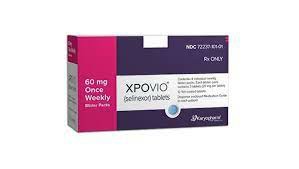
In terms of indications, selinesol is currently mainly approved for the treatment of multiple myeloma and diffuse large B-cell lymphoma (DLBCL), especially in relapsed or refractory patients who have experienced failure of multiple regimens. However, most traditional targeted drugs such as EGFR-TKI, BRAF inhibitors, VEGFR inhibitors, etc. are mainly limited to solid tumors and must rely on clear target gene mutations. In contrast, selinexole's indications have higher tissue versatility and mechanism coverage, and are not dependent on tissue type and mutation status. It only requires confirmation of high XPO1 expression or specific pathological conditions.
In addition, significant differences were also found in resistance mechanisms. Many traditional targeted drugs are ineffective due to secondary mutations in the target (such asEGFR T790M, ALK G1202R) or activation of alternative pathways. Since selinesol targets the upstream key node of the nuclear export pathway, its drug resistance develops relatively slowly, and it may be combined with multiple treatment strategies to delay tumor adaptive growth, providing new ideas for overcoming multidrug resistance.
However, selinesol also faces unique adverse reaction characteristics, especially fatigue, nausea, weight loss, thrombocytopenia, etc. related to the central nervous system. These reactions are related to its extensive regulation of protein distribution in the nucleus and require close monitoring during clinical use. Most of the side effects of traditional targeted drugs are more targeted, such as rash, diarrhea, elevated liver enzymes, etc. However, the broad spectrum of effects of selinesol determines that its adverse reactions are systemic, and it also prompts doctors to pay special attention to supportive treatment and dose management when using it.
In short, selinesol is the first targeted inhibitor of the XPO1 pathway. Its mechanism of action starts from the fundamental pathway of nuclear protein transport, which is significantly different from most traditional targeted drugs that focus on tyrosine kinase inhibition or ligand receptor blockade. It provides a new option for tumor patients with complex treatment mechanisms, strong heterogeneity and failure of multiple lines of treatment. It also marks that the scope of targeted therapy is expanding from specific mutations to deeper regulation of cellular processes.
Reference materials:https://www.selincro.com/
[ 免责声明 ] 本页面内容来自公开渠道(如FDA官网、Drugs官网、原研药厂官网等),仅供持有医疗专业资质的人员用于医学药学研究参考,不构成任何治疗建议或药品推荐。所涉药品可能未在中国大陆获批上市,不适用于中国境内销售和使用。如需治疗,请咨询正规医疗机构。本站不提供药品销售或代购服务。


