
.jpeg)
How long should you take ruxolitinib tablets (JAKAVI) before stopping and safety instructions
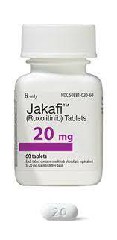
Ruxolitinib tablets (JAKAVI, commonly known as ruxolitinib or ruxolitinib) is an oral JAK inhibitor, mainly used to treat myelofibrosis (MF), polycythemia vera (PV) and certain types of myeloproliferative tumors. The duration of taking ruxolitinib, guidance on stopping the drug, and precautions for safe medication are topics of common concern to patients and doctors. This article will introduce in detail the medication cycle, drug withdrawal timing, safety management, etc. to help patients use ruxolitinib scientifically and rationally.
1. Duration of taking ruxolitinib
Ruxolitinib is usually used as a long-term maintenance treatment drug, especially in the treatment of chronic diseases such as myelofibrosis, where patients often need to take it for a long time or even lifelong. The exact length of time the drug should be taken will vary depending on the severity of the patient's condition, response to treatment, and tolerance. Generally speaking, as long as the patient has a good clinical response to ruxolitinib and is well tolerated, doctors will recommend continued use of the drug to maintain symptom relief, reduce splenomegaly, and improve quality of life.
In clinical practice, the efficacy of ruxolitinib usually appears within weeks to months of treatment, and some patients can feel significant improvement in about 3 months, but the withdrawal time must be carefully evaluated. Follow-up testing of patients’ blood cell counts, liver and kidney functions, and symptom changes is an important basis for deciding whether to continue taking medication. Patients should not stop taking the medicine on their own without the guidance of a doctor.
2. Timing to discontinue ruxolitinib
The discontinuation of ruxolitinib is generally based on the following situations: first, the treatment is ineffective, and the patient's condition does not improve or worsen after continuous medication for a certain period of time; second, serious adverse reactions occur, such as infection and blood system toxicity, leading to life-threatening consequences; third, the patient is combined with other serious diseases or clinical conditions and is not suitable for continued medication.
The drug withdrawal process should be carried out under the guidance of a doctor to avoid disease rebound or adverse events caused by sudden drug withdrawal. Some patients may experience aggravation of symptoms and recurrence of splenomegaly after stopping the drug, which requires close monitoring and timely intervention. For patients whose condition is stable and medication is discontinued, regular reexaminations should be scheduled to assess disease dynamics and risk of recurrence.
3. Guidance on safe medication use
There are many safety matters that need to be paid attention to when taking ruxolitinib. First of all, patients should regularly monitor blood routine, liver and kidney function, and electrocardiogram to detect potential drug toxicity in a timely manner. Common side effects include anemia, thrombocytopenia, increased risk of infection, and gastrointestinal reactions. If severe symptoms occur, you should seek medical treatment in time.
Secondly, patients should avoid concurrent use with other drugs that may cause bone marrow suppression while taking the drug to reduce drug interactions and toxic side effects. For those with symptoms of infection, active treatment is required and the medication should be temporarily discontinued if necessary.
In addition, ruxolitinib is contraindicated in pregnant and lactating women, and male patients are advised to take effective contraceptive measures while taking the drug to prevent potential effects on the fetus. Patients should take the medicine strictly in accordance with the doctor's prescription and instructions, and should not adjust the dosage on their own.
4. Clinical Suggestions and Patient Management
Ruxolitinib is an important therapeutic drug for myelofibrosis and related diseases, and its long-term medication regimen needs to be formulated individually. Doctors should dynamically adjust the medication plan based on the patient's specific condition, treatment response and side effects. Patients should maintain close communication with their doctors and provide timely feedback on physical changes and discomfort symptoms.
In addition, patients should pay attention to lifestyle management, maintain balanced nutrition, exercise moderately, enhance physical fitness, and improve tolerance to treatment. Regular follow-up and examination are the key to ensuring the safety and efficacy of treatment. Do not stop medication or change the medication plan without authorization.
In summary, ruxolitinib is generally a long-term medication, and discontinuation must be done under the guidance of a doctor to avoid disease rebound and adverse events. Safe medication requires attention to blood indicators and liver and kidney functions, and timely treatment of side effects. Patients can maximize the therapeutic effect of ruxolitinib and improve their quality of life by using medications scientifically and rationally and cooperating with doctor management.
Reference: https://go.drugbank.com/drugs/
xa0
[ 免责声明 ] 本页面内容来自公开渠道(如FDA官网、Drugs官网、原研药厂官网等),仅供持有医疗专业资质的人员用于医学药学研究参考,不构成任何治疗建议或药品推荐。所涉药品可能未在中国大陆获批上市,不适用于中国境内销售和使用。如需治疗,请咨询正规医疗机构。本站不提供药品销售或代购服务。


