
.jpeg)
Which drug is more effective and suitable for patients to choose, ibrutinib or zanubrutinib?
Ibrutinib (Ibrutinib) and zanubrutinib (Zanubrutinib) are both Bruton's tyrosine kinase inhibitors (BTK inhibitors), mainly It is used to treat a variety of B cell malignant tumors, such as chronic lymphocytic leukemia (CLL), mantle cell lymphoma (MCL), etc. As similar targeted drugs, both have played an important role in clinical treatment, but there are some differences in efficacy, safety and patient adaptability. This article will comprehensively analyze the advantages, disadvantages and applicability of ibrutinib and zanubrutinib from the perspectives of drug mechanism, clinical efficacy, safety and patient selection, to help patients and doctors make more reasonable medication decisions.
1. Drug mechanism and principle of action
Ibrutinib and zanubrutinib are oral small molecule BTK inhibitors that irreversibly bind BTK enzymeCys481 site, inhibits B cell receptor (BCR) signaling and blocks the proliferation and survival of malignant B cells. BTKAs an important member of the B cell signaling pathway, it plays a key role in the development of a variety of B cell malignant tumors. BTK inhibitors effectively inhibit tumor progression by targeting this enzyme.
Although the mechanism of action of the two is similar, zanubrutinib is a second-generation BTK inhibitor. Its design focuses more on improving selectivity and reducing non-specific inhibition of other enzymes such as EGFR, TEC, etc., thus reducing the incidence of side effects. As a first-generation BTK inhibitor, ibrutinib has outstanding efficacy, but its selectivity is relatively low and may cause more adverse reactions.
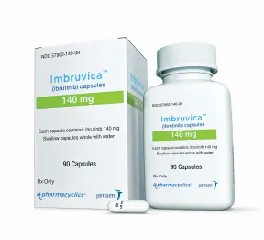
2. Comparison of clinical efficacy
Ibrutinib, as the pioneer drug of BTK inhibitor, has been verified by many large-scale clinical trials and has been widely used in CLL, MCL and othersBTreatment of cellular malignancies. It significantly prolongs progression-free survival (PFS) and overall survival (OS), improves patients' quality of life, and has become an important choice for first-line and relapse treatment. Clinical data show that ibrutinib can achieve a high response rate and durable efficacy, but some patients may develop drug resistance or disease progression after long-term treatment.
Zanubrutinib has shown similar or even superior efficacy to ibrutinib in multiple randomized controlled trials, especially in the treatment of CLL showing a higher response rate and longer progression-free survival. It also shows good efficacy in specific patient groups, such as patients with high-risk genetic mutations. The pharmacokinetics of zanubrutinib are more stable and the dose adjustment is flexible, which facilitates clinical individualized medication.
3. Safety and Tolerability Analysis
Safety is an important consideration in BTK inhibitor treatment. Common side effects of ibrutinib include bleeding, atrial fibrillation, hypertension, infection, and gastrointestinal reactions. Some serious adverse events may affect patients' treatment compliance and quality of life. Due to the broad spectrum of inhibition of other kinases, ibrutinib has a higher incidence of adverse reactions.
Because of its high selectivity, zanubrutinib has shown good safety and tolerance in clinical trials, and the incidence of atrial fibrillation and bleeding events is lower than that of ibrutinib. When patients use zanubrutinib, there are fewer dose adjustments or discontinuations, and the safety advantage is obvious. In addition, zanubrutinib has relatively little impact on liver and kidney function and is suitable for use in patients with multiple chronic diseases.
4. Patient Selection and Clinical Suggestions
Ibrutinib is the most widely used BTK inhibitor on the market due to its early launch and rich clinical experience. It is suitable for the vast majority of B patients with malignant tumors, especially those with economic conditions and good tolerance to side effects. For patients who have received ibrutinib treatment and have good results, maintenance medication is still the first choice.
Because of its better safety profile and lower incidence of adverse reactions, zanubrutinib is suitable for patients with a history of cardiovascular disease, a high risk of bleeding, or other patients who are intolerant to the side effects of ibrutinib. In addition, the efficacy advantage of zanubrutinib in some high-risk patients and special groups makes it an important alternative option in clinical practice. Before taking medication, patients should choose the most suitable medication based on their condition, previous treatment response and doctor’s advice.
In summary, ibrutinib and zanubrutinib have their own merits as BTK inhibitors. With its rich clinical data and mature treatment experience, ibrutinib occupies a widely used position; zanubrutinib provides patients with a milder treatment option due to its excellent selectivity and safety. Patients and doctors should comprehensively evaluate the advantages and potential risks of drugs based on their specific condition, comorbid symptoms, and economic status, and formulate individualized treatment plans in order to achieve the best treatment effect and quality of life.
Reference: https://go.drugbank.com/drugs/
[ 免责声明 ] 本页面内容来自公开渠道(如FDA官网、Drugs官网、原研药厂官网等),仅供持有医疗专业资质的人员用于医学药学研究参考,不构成任何治疗建议或药品推荐。所涉药品可能未在中国大陆获批上市,不适用于中国境内销售和使用。如需治疗,请咨询正规医疗机构。本站不提供药品销售或代购服务。


