
.jpeg)
The correct way to take ruxolitinib tablets (JAKAVI) and the precautions for use
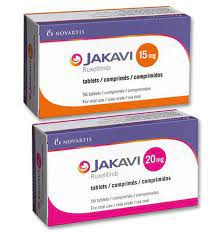
Ruxolitinib tablets (trade name JAKAVI) is an oral Janus kinase (JAK) inhibitor, mainly used to treat myelofibrosis, polycythemia vera and certain types of myeloproliferative diseases. As a drug that targets immune signaling pathways, ruxolitinib plays an important role in relieving symptoms, improving quality of life, and delaying disease progression. In order to ensure the maximum efficacy of the drug and reduce adverse reactions, patients need to understand the correct method of taking it and the precautions for use. This article will introduce in detail the medication guidance and safety matters of ruxolitinib.
1. Dosage and administration method of ruxolitinib
Ruxolitinib is generally administered orally, usually in two doses a day. It is recommended to take it once in the morning and evening, and try to keep it at a fixed time. The initial dose depends on the patient's weight and specific disease. Generally, the starting dose for adults is 15 mg to 20 mg twice daily. The specific dosage must follow the doctor's prescription and be adjusted in a timely manner based on the patient's tolerance and treatment response.
When taking the medicine, swallow the tablet whole and avoid chewing, breaking or crushing to ensure the sustained release properties and absorption effect of the medicine. Patients can take it on an empty stomach or with food, but consistency should be maintained to avoid fluctuations in blood drug concentration due to dietary effects on drug absorption. To reduce missed doses, it is recommended that patients develop a medication plan or use a pill box to aid memory.
2. Monitoring and efficacy evaluation during use
While taking ruxolitinib, patients should regularly undergo blood tests, liver and kidney function, electrolytes, electrocardiogram and other related tests to monitor drug safety and physical status. Changes in blood indicators are particularly important because ruxolitinib may cause side effects such as anemia, thrombocytopenia, or leukopenia, and the treatment plan needs to be adjusted in time.
Clinically, doctors will comprehensively evaluate the efficacy based on the improvement of the patient's symptoms, changes in spleen size and laboratory indicators. If the symptoms are relieved or the blood picture is stable, the dose may be considered to be maintained; if side effects are obvious, the drug may need to be temporarily discontinued or the dose may be reduced. Patients should maintain close communication with their doctors and report any unusual discomfort.
3. Common adverse reactions and countermeasures
Common side effects of ruxolitinib include anemia, headache, fatigue, muscle pain, diarrhea, nausea, and increased risk of infection. Most adverse reactions are mild to moderate and can be relieved by rest, nutritional support and symptomatic treatment. If severe anemia or infection occurs, prompt medical treatment is required, and blood transfusion or anti-infective treatment may be required.
Some patients may experience thrombocytopenia or abnormal liver function, and relevant indicators should be monitored regularly to avoid aggravation of the condition. If serious symptoms such as chest pain, severe dizziness, or difficulty breathing occur while taking the medicine, you should seek medical attention immediately to check for abnormalities in cardiopulmonary function or other emergencies.
4. Medication precautions and life guidance
While taking ruxolitinib, avoid concurrent use with other immunosuppressants or potentially interacting drugs, unless specifically directed by your doctor. Pregnant and lactating women are prohibited from taking this drug. Women of childbearing age should take effective contraceptive measures to prevent the drug from affecting the fetus.
Patients should pay attention to personal hygiene during treatment to reduce the risk of infection and avoid contact with environments rich in germs. Proper diet, adequate rest and moderate exercise can help improve immune function and body tolerance. In addition, do not stop taking the medication or change the dosage on your own. Any adjustments must be made by your doctor.
In short, ruxolitinib is an important targeted treatment drug for myelofibrosis and related diseases. Correct administration and scientific management are crucial to ensure efficacy and safety. Patients should strictly abide by the doctor's instructions, actively cooperate with regular monitoring, and report changes in physical condition in a timely manner to achieve the best treatment effect and improve the quality of life.
Reference: https://go.drugbank.com/drugs/
[ 免责声明 ] 本页面内容来自公开渠道(如FDA官网、Drugs官网、原研药厂官网等),仅供持有医疗专业资质的人员用于医学药学研究参考,不构成任何治疗建议或药品推荐。所涉药品可能未在中国大陆获批上市,不适用于中国境内销售和使用。如需治疗,请咨询正规医疗机构。本站不提供药品销售或代购服务。


