
.jpeg)
Differences and comparison of treatment effects between ibrutinib and zanubrutinib
Ibrutinib and Zanubrutinib (Zanubrutinib) are both Bruton's tyrosine kinase (BTK) inhibitors and are important targeted drugs for the treatment of B cell malignancies. They are mainly used clinically for diseases such as chronic lymphocytic leukemia (CLL), mantle cell lymphoma (MCL). Although both target BTK, there are significant differences in molecular structure, selectivity, pharmacokinetics, efficacy and safety. This article will analyze the differences between ibrutinib and zanubrutinib in detail, and compare the therapeutic effects of the two, to help clinicians and patients better understand and choose suitable BTK inhibitors.
1. Differences in molecular structure and selectivity
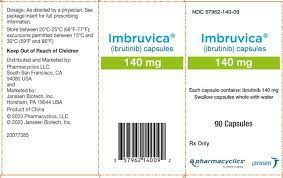
Ibrutinib is the first BTK inhibitor approved by the FDA in 2013 It was launched in 2017. As an irreversible inhibitor, it inhibits the activity of BTK by covalently binding to the cysteine residue of BTK. Despite its significant efficacy, ibrutinib has a certain inhibitory effect on other kinases such as EGFR, TEC, ITK, etc., and its selectivity is relatively low, resulting in side effects in some patients, such as rash, diarrhea, arrhythmia, and bleeding tendency.
Zarubrutinib is a second-generation BTK inhibitor developed by China Hengrui Pharmaceuticals. It has higher selectivity and targeting, and can more accurately inhibit BTK while reducing interference with other kinases. The molecular design of zanubrutinib optimizes the affinity and half-life of the drug, achieving stronger BTK occupancy and sustained inhibitory effect, thus improving efficacy and safety.
2. Pharmacokinetics and medication regimen
The oral dose of ibrutinib is 420 mg (CLL indication) or 560mg (MCL indication), administered once daily. It is absorbed rapidly, but its blood concentration fluctuates greatly and is less affected by food. Due to non-specific inhibition of other kinases, patients may require frequent monitoring of cardiac and blood parameters.
The usual oral dose of zanubrutinib is160mgTwice daily. Its pharmacokinetics is more stable, its blood concentration fluctuates less, and it can maintain BTK inhibition for a longer period of time. Due to its stronger selectivity, zanubrutinib has a relatively low risk of side effects, is better tolerated by patients, and has improved medication compliance.
3. Comparison of clinical efficacy
In clinical studies, ibrutinib has shown good efficacy in the treatment of CLL, MCL and Waldenstrom's macroglobulinemia. Long-term follow-up data show that ibrutinib can significantly prolong progression-free survival (PFS) and overall survival (OS), and has become a standard treatment drug recommended by multiple guidelines.
Zanubrutinib has shown to be as effective as or even better than ibrutinib in multiple clinical trials. Especially in the ASPEN study (a phase III clinical trial of zanubrutinib versus ibrutinib in the treatment of Waldenstrom's macroglobulinemia), zanubrutinib showed a higher overall response rate and a lower rate of serious adverse events. In addition, zanubrutinib produced faster and longer-lasting responses in patients with CLL.
4. Safety and Tolerability
Common side effects of ibrutinib include atrial fibrillation, hypertension, increased risk of bleeding, diarrhea and infection, some of which can seriously affect patients' quality of life. In particular, cardiotoxicity and bleeding events require special attention during long-term medication.
Because of its high selectivity, zanubrutinib significantly reduces the risk of arrhythmias and bleeding. Clinical data show that the incidence of serious adverse events related to zanubrutinib is significantly reduced compared with ibrutinib, and patients have better tolerance and higher treatment compliance. This makes zanubrutinib an alternative option for some patients who have poor tolerance to ibrutinib.
Overall, as the pioneer of BTK inhibitors, ibrutinib has established a solid foundation for efficacy in clinical practice, but its low selectivity brings a certain burden of side effects. Through molecular design optimization, zanubrutinib has improved the selectivity and persistence of inhibition of BTK, improving patients' safety and medication experience. In terms of efficacy, both performed well, but zanubrutinib showed better response rates and lower risks of side effects in some studies.
Clinicians should rationally choose ibrutinib or zanubrutinib based on the patient's specific situation, disease type, past drug response, and economic conditions. As research on BTK inhibitors continues to deepen, more options may emerge in the future, pushing personalized treatment toward a more precise and safer direction.
Reference: https://go.drugbank.com/drugs/
[ 免责声明 ] 本页面内容来自公开渠道(如FDA官网、Drugs官网、原研药厂官网等),仅供持有医疗专业资质的人员用于医学药学研究参考,不构成任何治疗建议或药品推荐。所涉药品可能未在中国大陆获批上市,不适用于中国境内销售和使用。如需治疗,请咨询正规医疗机构。本站不提供药品销售或代购服务。


