
.jpeg)
What are the common side effects of Taletrectinib and suggestions for treatment?
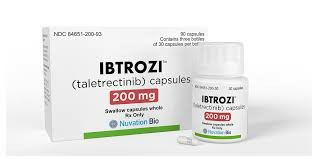
Taletrectinib (Taletrectinib) is a new type of oral ROS1/NTRK dual-target tyrosine kinase inhibitor (TKI), mainly used to treat ROS1 or NTRK fusion-positive non-small cell lung cancer (NSCLC) and other solid tumors. As a targeted drug, talatinib has shown good efficacy and relatively high tolerability in clinical trials. However, any targeted therapy may be associated with varying degrees of adverse effects. Understanding the common side effects of talatinib and how to deal with it will help patients use the drug scientifically, safely and long-term.
1. Common types of side effects
According to currently published clinical trials (such asTRUST-I and TRUST-II) and patient medication reports, the overall safety of talatinib is good, but there are still certain side effects, which mainly include the following categories:
1. Gastrointestinal reactions
The most common side effects include nausea, vomiting, diarrhea, and decreased appetite. Most of these symptoms are mild to moderate and usually occur in the early stages of taking the medication.
Treatment suggestions: It is recommended that patients take medication after meals to reduce gastrointestinal irritation; if nausea is severe, antiemetic drugs such as ondansetron can be used for symptomatic treatment; replenish water and electrolytes to prevent dehydration; and maintain a light diet.
2. Abnormal liver function
Talatinib may cause an increase in liver enzymes, such as alanine aminotransferase (ALT), aspartate aminotransferase (AST), etc. A small number of patients may experience elevated bilirubin or liver function damage.
Treatment suggestions: Liver function indicators should be monitored regularly during medication (it is recommended to check once every 24 weeks). If liver enzymes are found to be elevated more than 23 times the normal value, the doctor may temporarily stop the medication, reduce the dosage, or add hepatoprotective drugs.
3. Fatigue and weakness
Fatigue is one of the common side effects of targeted drug treatments. Patients may present with fatigue, decreased concentration, or decreased ability to perform daily activities.
Treatment suggestions: maintain a regular schedule and take appropriate rest; supplement high-protein and vitamin-rich foods; appropriate light exercise such as walking and stretching can relieve mild fatigue; in severe cases, it is necessary to evaluate whether it is related to anemia or malnutrition.
4. Headache and dizziness
Individual patients reported headache, dizziness and other central nervous system-related discomforts, which may be related to the drug's mild crossing of the blood-brain barrier.
Treatment suggestions: Keep a good sleep and avoid sitting for a long time or standing suddenly. If symptoms persist or affect your life, you should report it to your doctor. Sometimes the dosage can be adjusted or combined with analgesic drugs.
5. Constipation or intestinal discomfort
Some patients may experience constipation, especially when taking analgesics such as morphine.
Treatment suggestions: drink more water and increase dietary fiber intake; use laxatives such as lactulose or senna if necessary; encourage moderate daily activities to promote intestinal peristalsis.
2. Less common side effects that need attention
1. Pulmonary toxicity or interstitial lung disease (ILD)
Although rare, some targeted drugs can cause drug-related pneumonitis or interstitial lung disease. If the patient develops persistent cough, shortness of breath or difficulty breathing, a high level of vigilance is required.
Treatment suggestions: Once ILD is suspected, stop taking the drug immediately and seek medical treatment; conduct chest CT examination and pulmonary function test if necessary; the doctor may give glucocorticoid treatment.
2. ElectrocardiogramQTInterval prolongation
Some patients are at risk of prolongation of the QT interval after taking talitinib, which increases the possibility of arrhythmia, especially when combined with other drugs.
Treatment suggestions: Monitor ECG regularly before and during treatment; avoid co-administration with drugs known to prolong the QT interval; patients with a history of underlying heart disease need to be more cautious when taking drugs.
3. Skin rash and dry skin
Some patients experience mild rash, itching, or dry skin.
Treatment suggestions: You can use moisturizing lotion or weak anti-allergic drugs (such as loratadine); avoid prolonged sun exposure and the use of irritating cleaning products; severe rashes require prompt medical treatment.
3. Monitoring and follow-up recommendations
In order to identify and deal with side effects as early as possible, patients should conduct systemic health management while taking talitinib:
Before taking the drug for the first time, liver and kidney function, electrolytes, blood routine and electrocardiogram should be comprehensively evaluated;
During medication, it is recommended to conduct blood tests, liver function monitoring and electrocardiogram every 2~4 weeks;
For patients with many comorbidities or elderly patients, the monitoring period should be shortened and changes in adverse reactions should be paid close attention to.
4. Precautions for medication use in special groups
Elderly patients: They may be more prone to adverse reactions such as fatigue and abnormal liver function. Special attention should be paid to tolerance when taking the drug.
Hepatic and renal insufficiency: Patients with moderate to severe hepatic or renal impairment should use it with caution, and the initial dose and dose adjustment should be determined by a physician.
Patients with other diseases: such as hypertension, diabetes, heart disease, etc., drug interactions should be avoided and comprehensive management should be carried out.
5. How to correctly face side effects
Side effects are not scary, the key is identification, communication and intervention:
Patients should not stop taking medications or change medications on their own due to minor discomfort, and any side effects should first be reported to the doctor in charge;
Doctors can improve symptoms by adjusting dosage, supporting treatment, or combining with other drugs to maximize the efficacy;
For some unavoidable but minor side effects, patients should establish a positive attitude and understand that treatment is a long-term process and is not a "quick fix".
Taratinib is the first independently developed dual-targeting drug for ROS1/NTRK at home and abroad. Its efficacy has been fully verified and its side effects are generally controllable. Most patients tolerate the drug well and experience significant benefits during treatment. As long as medication is used scientifically under the guidance of a doctor, with regular follow-up, reasonable monitoring and symptomatic treatment, side effects can be completely controlled within acceptable limits. For lung cancer patients with ROS1 or NTRK fusion-positive lung cancer, talatinib is undoubtedly an important treatment option with both safety and efficacy.
Reference materials:https://www.fda.gov/drugs/
[ 免责声明 ] 本页面内容来自公开渠道(如FDA官网、Drugs官网、原研药厂官网等),仅供持有医疗专业资质的人员用于医学药学研究参考,不构成任何治疗建议或药品推荐。所涉药品可能未在中国大陆获批上市,不适用于中国境内销售和使用。如需治疗,请咨询正规医疗机构。本站不提供药品销售或代购服务。


