
.jpeg)
What are the adverse reactions caused by mitomycin intravesical solution (Zusduri)? How to reduce side effects?
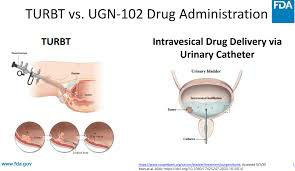
Mitomycin intravesical solution (Zusduri) is an innovative local chemotherapy drug that was approved by the United States in 2025 FDAapproved the marketing for the treatment of recurrent, low-grade and intermediate-risk non-muscle-invasive bladder cancer (LG-IR-NMIBC). It uses RTGel® sustained-release technology developed by UroGen Pharma to form a gel-like structure in the bladder to extend the drug's action time and improve its efficacy. However, despite being a topical medication, Zusduri may still cause a series of adverse reactions, which requires the attention of patients and doctors. The following will systematically explain how to deal with Zusduri related side effects from four aspects: common side effects, adverse reaction mechanisms, mitigation methods and monitoring strategies.
1.ZusduriSummary of common adverse reactions
According to clinical studies (such asATLAS and ENVISION trials) and pre- and post-marketing data, the most common adverse reactions of Zusduri are concentrated in the urinary system, mainly including the following categories:
1. Urinary tract irritation symptoms
About50%more than 50% of patients will experience frequent urination, urgency, discomfort during urination, mild burning sensation or increased nocturia after taking the drug. This is a common reaction of the bladder wall to local chemotherapy drugs.
Mechanism analysis: Mitomycin is a cytotoxic drug that can trigger a mild inflammatory reaction after contacting the mucosa in the bladder.
2. Hematuria or bladder bleeding
Some patients may experience mild to moderate hematuria (red urine or blood streaks in the urine) while taking the drug. Severe bladder bleeding is less common, but the risk is increased in patients with large tumors or hypervascular lesions.
Mechanism analysis: Contact between chemotherapy drugs and tumors causes necrosis and shedding, which may lead to bleeding along with the rupture of small blood vessels.
3. Pain or discomfort in the pelvic area
After instillation, some patients may experience distention and pain in the bladder area and mild lower abdominal discomfort, especially in the early stages of treatment.
Mechanism analysis: It is related to drug stimulation of mucosa and local inflammatory reaction.
4. Urinary retention or difficulty urinating
A very small number of patients may experience thinner urine flow, difficulty urinating or temporary urinary retention during treatment, which is more common in patients with prostatic hypertrophy or urinary tract infection.
Mechanism analysis: related to temporary inflammatory edema or reactive spasm of the bladder outlet.
5. Fever, fatigue or general discomfort
Although it is a topical medication, about 5% of patients report low-grade fever, fatigue or mild flu-like reactions, which generally last for a short time and rarely affect daily life.
Mechanism analysis: The drug triggers mild inflammation to release cytokines, which may produce a transient systemic reaction.
2. How to reduce and manage the side effects of Zusduri
Although most adverse reactions are mild and reversible, scientific management and active intervention can significantly improve patients' compliance and quality of life.
1. Strengthen pre-medication education
Doctors should explain possible adverse reactions to patients before the first infusion and inform them of the key points of observation. Patients' understanding in advance can help alleviate fears and enhance cooperation. It is recommended to record changes in symptoms during follow-up to provide a basis for subsequent treatment adjustments.
2. Increase fluid intake during medication
It is recommended that patients drink no less than 2000ml of water per day during infusion treatment. This will help dilute urine and reduce the irritating concentration of drugs on the bladder mucosa, thereby alleviating urinary discomfort and inflammatory reactions.
3. Use auxiliary drugs
For patients with severe frequent urination and urgent urination, α-receptor antagonists (such as tamsulosin) can be used short-term to relieve bladder irritation; if obvious pain during urination occurs, analgesics or urethral anti-inflammatory agents can be used as appropriate. If hematuria persists, the drug should be stopped immediately and a urinary system ultrasound or cystoscopy should be performed, and hospitalization should be performed if necessary.
4. Reasonable rest between treatments
The standard course of treatment for Zusduri is weekly infusion for a total of 6 weeks. If the patient has obvious side effects, he or she can discuss with the doctor whether to extend the interval, reduce the infusion time, or adjust the dosage. After perfusion1~2 It is recommended to avoid strenuous exercise for 1~2 hours to reduce discomfort reactions.
3. Medication precautions for special groups
Some special patient groups need to pay special attention to side effects when usingZusduri:
1. Elderly patients
The bladder mucosa of the elderly has poor regeneration ability, is more sensitive to drug stimulation, and has a higher risk of urinary system discomfort. Special attention should be paid to hematuria, urinary disturbances and the risk of secondary infection during treatment.
2. Patients with urinary tract infection
If there is an active urinary tract infection, infusion therapy may aggravate local inflammation. It is recommended to control the infection before starting treatment. During use, changes in urine color, odor and body temperature should be closely observed.
3. Men with enlarged prostate
Patients with prostatic hyperplasia are more likely to have difficulty urinating, and special monitoring of urine flow and residual urine volume is required to prevent acute urinary retention. Prophylactic use ofalpha blockers may be helpful when necessary.
4. Side effects monitoring and follow-up recommendations
In order to detect and deal with adverse reactions in a timely manner, it is recommended to establish a systematic follow-up and monitoring mechanism:
Before each infusion: assess urination, urine color, and pain level after the last treatment;
Mid-term treatment (3 weeks or so): Check urine routine and renal function indicators. If proteinuria or hematuria occurs, further evaluation should be carried out;
After treatment1~3 months: It is recommended to conduct cystoscopy follow-up to confirm the treatment response and whether local complications occur;
If unknown fever, severe hematuria, or significant decrease in urine output occurs: seek medical attention immediately and stop perfusion therapy to check for urinary tract complications.
Mitomycin intravesical solution (Zusduri) provides a new route of local chemotherapy without surgery in the treatment of intermediate-risk non-muscle-invasive bladder cancer, especially for patients who wish to avoid repeated TURBT or total cystectomy. Although it is administered locally, its adverse reactions still require attention. Through standardized management, individualized medication and timely intervention, most side effects can be controlled within acceptable limits. In the future, as the clinical application of Zusduri gradually expands, the experience in side effect management will become more mature, bringing safer and more convenient treatment options to patients with bladder cancer.
Reference materials:https://www.fda.gov/drugs/
[ 免责声明 ] 本页面内容来自公开渠道(如FDA官网、Drugs官网、原研药厂官网等),仅供持有医疗专业资质的人员用于医学药学研究参考,不构成任何治疗建议或药品推荐。所涉药品可能未在中国大陆获批上市,不适用于中国境内销售和使用。如需治疗,请咨询正规医疗机构。本站不提供药品销售或代购服务。


