
.jpeg)
What are the common side effects during treatment with Tafasitamab?
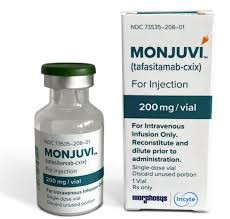
Tafasitamab (Tafasitamab) is an antibody drug that targets CD19 and is usually used in combination with lenalidomide (Lenalidomide) for the treatment of relapsed or refractory diffuse large B-cell lymphoma (R/R) DLBCL) and follicular lymphoma (FL) and other CD19-positive B cell malignancies. This drug provides patients with a new immunotherapy option in addition to traditional chemotherapy, but it is also accompanied by certain side effects during the treatment process, which requires closer attention especially when used in combination. The following will introduce in detail the common side effects that may occur during Tafasitamab treatment, along with treatment suggestions and clinical management points to help patients and doctors deal with them scientifically.
1. Blood system side effects
Hematological adverse reactions are the most common side effects during Tafasitamab treatment, especially when used in combination with lenalidomide.
1. Neutropenia (Neutropenia)
Neutropenia is the most common hematological toxicity, and some patients even develop into Ⅲ~Grade IV, increasing the risk of infection. Especially in the first 6 weeks of treatment, blood routine needs to be monitored closely.
Treatment suggestions: Mild neutropenia can be observed and waited, and medication can be suspended for moderate to severe neutropenia, and granulocyte stimulating factor (G-CSF) can be used to promote recovery. Adjust lenalidomide dose if necessary.
2. Thrombocytopenia (Thrombocytopenia)
About20~30% of patients may experience a decrease in platelets, and some are associated with the risk of bleeding, such as subcutaneous ecchymosis, nosebleeds, etc.
Treatment suggestions: Treatment can be continued for mild decreases, but for moderate or higher symptoms, medication should be suspended and bleeding should be monitored. If the platelet count is lower than 30×10⁹/L, it is recommended to suspend treatment and consider platelet transfusion.
3. Anemia (Anemia)
About30%of patients experience varying degrees of red blood cell reduction, most of which progress slowly.
Treatment suggestions: Mild to moderate anemia can be treated symptomatically and supportively, such as iron supplements, vitaminsB12, etc.; severe anemia can be treated with blood transfusions and evaluation of whether the treatment plan needs to be adjusted.
2. Side effects related to infection
Due to the immunosuppressive effect and bone marrow suppression, Tafasitamab+Patients are prone to bacterial, viral or fungal infections during lenalidomide treatment.
Common manifestations include respiratory tract infection, urinary tract infection, herpes zoster reactivation, and even sepsis.
Handling suggestions:
Before treatment, screen for viruses such as hepatitis B, EBV, CMV;
Get vaccinated against shingles;
Pay attention to hand hygiene and environmental disinfection during the low neutrophil phase;
Use antibacterial drugs promptly/antiviral drugs, and suspend treatment if necessary.
3. Infusion-related reactions (Infusion-related reactions)
Similar to other monoclonal antibodies, Tafasitamab may cause infusion-related reactions after intravenous administration, especially during the first infusion.
Common symptoms include fever, chills, shortness of breath, rash, headache, or hypotension, which usually occur within 1 to 2 hours after the infusion is started.
Prevention and treatment measures:
Pretreatment with an antihistamine, acetaminophen, or low-dose corticosteroids is recommended before the first infusion;
The infusion should be carried out slowly, and the first dose can be extended to more than 2 hours;
If a reaction occurs, stop the infusion immediately and provide symptomatic support. After the symptoms are relieved, you can try again at a reduced rate.
4. Fatigue and digestive system discomfort
In clinical trials, about40% to 50% of patients experienced varying degrees of fatigue. The effects of combination therapy are more pronounced, especially early in treatment and when the cumulative dose of lenalidomide is higher.
Other gastrointestinal discomforts include nausea, loss of appetite, diarrhea or oral mucositis. Although most of them are mild to moderate, they affect the quality of life.
Management suggestions:
Fatigue can be alleviated by adjusting activity plans, maintaining nutrition, and getting more sleep;
For nausea5-HT3antagonists (such as ondansetron);
Use antidiarrheal drugs (such as loperamide) when you have diarrhea, and pay attention to fluids.
5. Skin reactions and other adverse events
Some patients may experience skin discomforts such as rash, itching, dryness, and nail discoloration, which are usually related to the combined use of lenalidomide.
In addition, individual patients reported dizziness, joint pain, abnormal taste, or mild elevation of aminotransferases, but these were generally controllable.
Management measures:
For skin reactions, topical antihistamine ointments or corticosteroid creams can be used;
If severe rash occurs, it is necessary to evaluate whether it is caused by lenalidomide and consider reducing the dose;
Dizziness can be alleviated by adjusting the medication time and avoiding taking medication on an empty stomach.
6. Monitoring suggestions during long-term use
For safe useTafasitamab, a detailed monitoring plan should be developed during treatment:
Check blood routine every week, especially the first 6 weeks;
Monthly liver and kidney function testing, pay attention to lenalidomide hepatotoxicity and excretion;
Pay attention to signs of infection, such as persistent fever, cough, and urgency of urination, which need to be treated promptly;
The efficacy will be evaluated every3 months, including imaging examinations, LDH, lymph node volume and other indicators.
Overall, tanxituzumab exhibits good anti-tumor effects in combination treatment regimens with a relatively controllable toxicity spectrum. Most side effects can be effectively managed with active intervention and close monitoring. Patients should fully communicate with their doctors about their health status before using this drug, strictly follow the doctor's instructions and conduct regular reviews during treatment to ensure the best treatment effect and minimize risks. In the future, with the expansion of its indications and the accumulation of real-world data, its safety management will become more mature, bringing more hope to patients with BB cell lymphoma.
Reference materials:https://www.fda.gov/drugs/
[ 免责声明 ] 本页面内容来自公开渠道(如FDA官网、Drugs官网、原研药厂官网等),仅供持有医疗专业资质的人员用于医学药学研究参考,不构成任何治疗建议或药品推荐。所涉药品可能未在中国大陆获批上市,不适用于中国境内销售和使用。如需治疗,请咨询正规医疗机构。本站不提供药品销售或代购服务。


