
.jpeg)
What are the side effects of using datopotamab? How should this be handled?
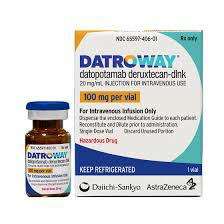
Datopotamab Deruxtecan (Datopotamab for short), as a new type of antibody drug conjugate (ADC), has shown significant efficacy in the treatment of a variety of solid tumors such as advanced non-small cell lung cancer (NSCLC) and hormone receptor-positive advanced breast cancer. However, like most anti-cancer drugs, Datopotamab treatment is accompanied by certain side effects. Understanding these adverse reactions and their management methods is of great significance to ensure patient safety and optimize treatment effects. This article will systematically introduce Datopotamab common side effects and corresponding treatment suggestions.
1. Common blood system side effects and management
Hematological toxicity is a common side effect that requires special attention during the use of Datopotamab. It mainly includes:
Neutropenia (Neutropenia)
Clinical data show that approximately 30%-40% of patients experience varying degrees of neutropenia, some of which are grade 3 or grade 4 (severe). This will significantly increase the patient's risk of infection and even induce severe infection and sepsis.
Treatment measures: Regularly monitor blood routine, especially neutrophil count. When moderate or severe neutropenia occurs, you may consider suspending treatment and applying granulocyte colony-stimulating factor (G-CSF) to promote bone marrow hematopoietic recovery. If necessary, adjust the dose or extend the dosing interval.
Anemia (Anemia)
Some patients develop varying degrees of anemia, manifesting as symptoms such as fatigue and shortness of breath.
Treatment measures: Symptomatic support, such as supplementing iron, folic acid, vitaminsB12, and blood transfusions in severe cases.
Thrombocytopenia (Thrombocytopenia)
About10%-20% of patients may experience thrombocytopenia, which increases the risk of bleeding.
Measures: Monitoring the platelet count is key. When severe thrombocytopenia occurs, treatment should be suspended, trauma should be avoided preventively, and platelet transfusions should be given if necessary.
2. Adverse pulmonary reactions and responses
Pulmonary toxicity is an important and potentially serious side effect of ADC drugs, and Datopotamab is no exception. The most common symptoms are:
Interstitial lung disease (ILD) or pneumonia
Patients may have symptoms such as dry cough, shortness of breath, difficulty breathing, and fever. CT images suggest pulmonary infiltration. ILDIf not recognized and treated promptly, it may be life-threatening.
Treatment measures: Respiratory symptoms should be closely observed during treatment. When suspectedILD appears, the drug should be stopped immediately, lung imaging examination should be performed promptly, and glucocorticoid treatment should be initiated if necessary. Severe cases should be hospitalized and supported with respiratory support.
3. Gastrointestinal reactions and treatment
Gastrointestinal adverse reactions are common, but mostly mild to moderate:
nausea and vomiting
More than30% of patients reported nausea, some with vomiting.
Treatment measures: Preventive application of 5-HT3 receptor antagonists (such as ondansetron) or NK-1 receptor antagonists, dietary modification and adequate fluid intake are also helpful.
Diarrhea and constipation
A small number of patients experience diarrhea, and some may be constipated.
Treatment measures: Replenish fluids and use antidiarrheal drugs when experiencing diarrhea, and use laxatives for constipation.
Stomatitis
Oral ulcers and pain affect eating and reduce quality of life.
Treatment measures: Oral care, local analgesics, oral disinfection and nutritional support.
4. Infusion-related reactions
DatopotamabIntravenous infusion may cause infusion-related reactions (IRR), manifesting as fever, chills, rash, itching, dyspnea, etc.
Prevention and treatment:
Antihistamines, antipyretics and analgesics are commonly used as pretreatment before the first infusion. The infusion rate should be slow. If a reaction occurs, stop the drug immediately and provide supportive treatment. After the symptoms are relieved, the infusion can be slowed down again.
5. Abnormal liver function
Some patients may experience elevated transaminases during treatment, indicating the risk of liver cell damage.
Treatment measures: Regularly monitor liver function indicators (ALT, AST, bilirubin). If an obvious increase is found, treatment will be suspended and liver protection treatment will be performed if necessary.
6. Skin reaction
Mild to moderate rash and itching are common, and severe skin toxicity occasionally occurs.
Treatment measures: Apply topical anti-allergic ointment. In severe cases, consider taking oral antihistamines or glucocorticoids.
7. Other adverse reactions
Some patients report symptoms such as fatigue, headache, joint pain, and fever, which are generally mild and can be relieved with supportive treatment.
Overall, dabrotomab has good anti-tumor activity, but the side effects cannot be ignored. Proper management of side effects is crucial to ensure efficacy and patient quality of life:
Strictly screen indications and patient status to exclude patients with active infection and severe liver and kidney function impairment.
Develop a detailed monitoring plan and regularly review blood routine, liver and kidney function and imaging.
Pay close attention to pulmonary symptoms, and promptly discontinue medication and treat if interstitial lung disease is suspected.
Combined use of anti-nausea drugs and gastrointestinal support treatment.
Be familiar with infusion-related reaction prevention and emergency plans to ensure medication safety
Educate patients, enhance awareness of self-monitoring, and report abnormal symptoms in a timely manner.
Through multidisciplinary collaboration and individualized adjustment, Datopotamab’s side effects can be effectively controlled, allowing patients to maximize the therapeutic advantages of this innovative drug.
Reference materials:https://www.fda.gov/drugs/
[ 免责声明 ] 本页面内容来自公开渠道(如FDA官网、Drugs官网、原研药厂官网等),仅供持有医疗专业资质的人员用于医学药学研究参考,不构成任何治疗建议或药品推荐。所涉药品可能未在中国大陆获批上市,不适用于中国境内销售和使用。如需治疗,请咨询正规医疗机构。本站不提供药品销售或代购服务。


