
.jpeg)
What are the side effects of Darolutamide and how to relieve them?
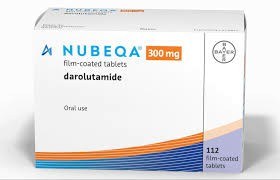
Darolutamide tablets (Darolutamide) is a new generation of androgen receptor inhibitors, mainly used to treat non-metastatic castration-resistant prostate cancer (nmCRPC) and metastatic hormone-sensitive prostate cancer (mHSPC) whose indications are being expanded. In clinical application, although darolutamide is better tolerated than similar drugs (such as enzalutamide and apalutamide), it may still cause a series of side effects. Understanding common adverse reactions and countermeasures is of great significance to patients' safe medication use.
1. Common side effects of darotamide tablets
According to multiple clinical trials and actual medication feedback, the overall incidence of side effects of darotamide is relatively low, and most of them are mild to moderate. Common side effects mainly include the following categories:
1.Fatigue and weakness: This is one of the most commonly reported discomforts during darotamide treatment and may be related to the drug's effects on metabolism, nervous system, or muscle status.
2.Joint pain and musculoskeletal discomfort: Some patients develop back pain, joint soreness and other problems while taking the medicine.
3.Skin rash: Skin allergies or mild rashes occur in some people and are usually self-limiting.
4.Hypertension: Some patients experience increased blood pressure after long-term medication and need to be monitored and controlled.
5.Less central nervous system side effects: Compared with similar drugs, darotamide has a weaker ability to penetrate the blood-brain barrier, so it is less likely to cause side effects such as epilepsy, confusion, or emotional abnormalities.
2. Side effects that are rare but need to be alert to
Although they occur less frequently, you still need to pay attention to the following serious adverse reactions:
1.Abnormal liver function: Some patients experience problems such as elevated transaminases and fluctuations in liver enzymes, which may be related to drug metabolism.
2.Cardiovascular risks: Patients undergoing long-term treatment need to be alert to problems such as arrhythmia and heart failure, especially those with underlying heart disease.
3.Urinary system effects: Symptoms such as difficulty in urinating or frequent urination and urgency may occur.
3. How to effectively alleviate and manage side effects
Targeting different side effects, adopting comprehensive intervention methods can significantly improve patients’ quality of life:
1.Relieve fatigue and physical decline:
Appropriately increase the rest time during the day and avoid strenuous physical activities;
Maintain a regular schedule and balanced nutrition, and supplement protein and vitamins in an appropriate amount;
Research supports that light exercise (such as walking, Tai Chi) can effectively relieve fatigue.
2.Coping with joint or back pain:
Over-the-counter pain relievers (such as acetaminophen) can be used under the guidance of a doctor;
Local hot compress or physical therapy (such as physiotherapy, traction) can help relieve;
If the pain persists or worsens, it needs to be evaluated for complications such as bone metastasis.
3.Skin management:
Mostly mild, anti-allergic drugs (such as loratadine) can be used;
Pay attention to moisturizing your skin and avoid using irritating bath products;
If severe rashes such as blisters and severe itching occur, seek medical attention promptly.
4.Control of elevated blood pressure:
Monitor blood pressure regularly and reduce sodium intake if it tends to rise;
Antihypertensive drugs can be adjusted or added under the guidance of a doctor;
Patients with diabetes, hyperlipidemia, etc. need to strengthen cardiovascular risk assessment.
5.Liver function monitoring and protection:
Liver function should be checked regularly during the first dose and during treatment;
Avoid drinking alcohol and avoid concurrent use of hepatotoxic drugs;
If the elevation of transaminase exceeds the normal value by more than 2-3 times, it is necessary to consider suspending the medication or adjusting the dose.
4. Medication guidance and communication suggestions that patients should pay attention to
To reduce the risk of side effects, patients should also pay attention to the following when using darotamide:
1.Regular review and communication with the doctor: It is recommended to conduct blood routine, liver and kidney function, electrolytes, blood pressure and other tests every month, and adjust the plan according to the doctor's advice;
2.Do not stop taking the medicine or reduce the dosage without authorization: If you have any symptoms of discomfort, you should first communicate with your doctor and do not stop taking the medicine or switch to other medicines on your own;
3.Inform the doctor of past medical history and concomitant medications: especially patients with heart disease, hypertension, and liver disease should truthfully inform the doctor of past medical conditions;
4.Family support and psychological adjustment: Long-term medication may affect mood and quality of life. Family members should provide care and companionship, and seek professional psychological support when necessary.
As a new targeted drug for the treatment of advanced prostate cancer, darotamide has generally mild side effects, especially on the nervous system, which is superior to other similar drugs. However, you still need to be alert to problems such as fatigue, high blood pressure, and abnormal liver function. Through scientific monitoring and standardized management, most side effects can be prevented or alleviated. Patients should actively cooperate with the doctor during the medication process, conduct regular reviews, and deal with any discomfort in a timely manner to ensure the safety and continuity of treatment.
Reference materials:https://www.fda.gov/drugs/
[ 免责声明 ] 本页面内容来自公开渠道(如FDA官网、Drugs官网、原研药厂官网等),仅供持有医疗专业资质的人员用于医学药学研究参考,不构成任何治疗建议或药品推荐。所涉药品可能未在中国大陆获批上市,不适用于中国境内销售和使用。如需治疗,请咨询正规医疗机构。本站不提供药品销售或代购服务。


