
.jpeg)
What risks and contraindications should patients pay attention to when using Taletrectinib?
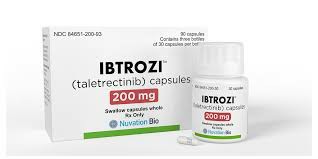
Taletrectinib (Taletrectinib) is an oral small molecule tyrosine kinase inhibitor targeting ROS1 and NTRK
1. Drug-related risks
1. Liver function damage
Taratinib may cause an increase in serum liver enzymes (such asALT, AST), and some patients may even develop liver dysfunction. Especially in patients who are taking other drugs together or who have underlying liver disease, they should be monitored closely.
Recommendation: Check liver function before starting treatment, and review liver function indicators regularly every 2-4 weeks during treatment. If abnormalities are found, the dose must be adjusted in time or the medication must be suspended.
2. QTInterval prolongation
Taratinib may affect the electrical activity of the heart, resulting in a prolongation of the QT interval, thereby inducing severe arrhythmias (such as torsade de pointes). High-risk groups include those with pre-existing heart disease and those taking other drugs that prolong QT.
Recommendation: Regularly perform electrocardiograms before medication and during treatment to monitor the QT interval; also assess whether electrolytes (potassium, calcium, magnesium) are normal to avoid increased risks such as hypokalemia.
3. Central nervous system side effects
A few patients reported dizziness, headache, fatigue and other central nervous system-related symptoms. Although talatinib is generally less toxic to the central nervous system, patients with brain metastases need to be closely observed when using it.
Recommendation: Maintain a good routine and avoid high-risk operations such as strenuous exercise or driving. If symptoms persist, seek medical attention in time.
4. Gastrointestinal reactions
Nausea, vomiting, diarrhea or constipation are common adverse reactions, and some patients present with decreased appetite or abdominal distension.
Recommendation: Take it with food to reduce stomach discomfort. If necessary, use antiemetics, laxatives and other auxiliary treatments.
2. Medication precautions for people with combined diseases
1. Patients with liver and kidney dysfunction
Patients with severe hepatic impairment or renal insufficiency may have abnormal drug metabolism, increasing the risk of adverse reactions.
Recommendation: Patients with mild to moderate hepatic and renal insufficiency can use it at regular doses, but close monitoring is required. Use with caution in patients with severe injuries or adjust dosage according to doctor's advice.
2. Elderly
Elderly patients are often accompanied by a variety of chronic underlying diseases, their ability to metabolize drugs is reduced, and they are more likely to experience fatigue, abnormal liver function or electrocardiogram changes.
Recommendation: Elderly patients need to monitor physical signs and laboratory indicators more frequently, and avoid drug interactions caused by multi-drug use.
3. Pregnant and lactating women
There are insufficient data to assess the safety of talatinib in the fetus and infant. Animal studies may show reproductive toxicity.
Recommendation: Pregnant women are prohibited from using this drug. Women of childbearing age should take reliable contraceptive measures while taking the drug. Breast-feeding women should stop breastfeeding or postpone the use of this drug.
3. Drug interactions and drug contraindications
1. Interaction of enzyme metabolic pathways
Taratinib is mainly metabolized by the liverCYP3A4 enzyme. Concomitant use of strong CYP3A4 inhibitors (such as itraconazole, clarithromycin) or inducers (such as rifampicin, carbamazepine) may affect its plasma concentration, thereby changing efficacy and toxicity.
Recommendation: Avoid co-administration of strong inhibitors or inducers of CYP3A4CYP3A4. If unavoidable, the dosage should be adjusted or the medication should be replaced under the guidance of a doctor.
2. Compatibility with other targeted drugs or chemotherapy drugs
There are no sufficient clinical studies to prove whether the combination of talatinib with immune checkpoint inhibitors or chemotherapy drugs is safe and effective. Therefore, it is not recommended to stack treatments on your own.
Recommendation: If combined treatment is required, it should be carried out strictly in accordance with clinical trials or doctor's guidance, and blind mixing should be avoided.
4. Medication-taking behavior and compliance issues
1. Forgetting to take medicine or taking medicine repeatedly
If the patient accidentally misses a dose, he should take it as soon as possible. However, if it is close to the next dose time, he should skip this dose to avoid overdose caused by repeated doses.
Recommendation: Taking medication at a fixed time every day can improve compliance and reduce the risk of missing doses.
2. Do not stop or change medications without authorization
Some patients are slightly uncomfortable due to side effects, or they think "there is no need to take medicine if the condition is relieved." Stopping the medicine without authorization will seriously affect the treatment effect, and even cause the disease to rebound.
Recommendation: Any discontinuation, dressing change or dose adjustment must be done under the guidance of a professional doctor.
5. Monitoring and follow-up during medication
In order to better control risks and monitor efficacy, patients should maintain a good follow-up system throughout the entire process of using talitinib:
Before medication: Complete basic examinations (liver and kidney function, electrocardiogram, blood routine, lesion assessment);
Initial period of medication (first two months): It is recommended to review every2 weeks;
Treatment stable period: Check once every1~2 months to evaluate efficacy and safety;
If side effects occur: timely medical evaluation is required and it is strictly prohibited to adjust the dosage on your own.
6. Patient education and psychological support
Long-term targeted therapy is not only a physical challenge, but also a psychological test. Although side effects are controllable, they may have an impact on quality of life. Patients should:
Maintain communication with family members and obtain daily care support;
Join a patient group or community to exchange treatment experiences and coping strategies;
Maintain a positive attitude, believe in modern medicine and scientific anti-cancer.
Taratinib is an important breakthrough in the treatment ofROS1 positive non-small cell lung cancer. It has clear efficacy and relatively mild side effects, especially for patients with brain metastases. It brings new treatment hope. However, it is still necessary to strictly follow medical regulations during drug use and pay close attention to various risks and contraindications. Through regular follow-up, reasonable monitoring, scientific response to side effects, and maintaining good communication with doctors, patients can benefit from this targeted treatment program safely and durably.
Reference materials:https://www.fda.gov/drugs/
[ 免责声明 ] 本页面内容来自公开渠道(如FDA官网、Drugs官网、原研药厂官网等),仅供持有医疗专业资质的人员用于医学药学研究参考,不构成任何治疗建议或药品推荐。所涉药品可能未在中国大陆获批上市,不适用于中国境内销售和使用。如需治疗,请咨询正规医疗机构。本站不提供药品销售或代购服务。


