
.jpeg)
What are the contraindications to use during Tafasitamab treatment?
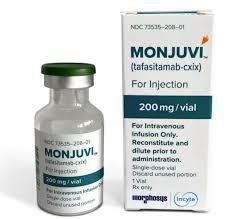
Tafasitamab is a recombinant humanized monoclonal antibody targeting CD19. It is currently mainly used in combination with lenalidomide to treat relapsed or refractory diffuse large B-cell lymphoma (R/R). DLBCL) and follicular lymphoma (FL) patients. As a new type of immunotherapy drug, Tafasitamab has definite efficacy and good tolerance in clinical application. However, there are still some key contraindications and precautions for use that need to be closely monitored before and after treatment to ensure patient safety and maximize efficacy. The following will systematically introduce contraindication groups, risk control, drug interactions, treatment management, etc.
1. Clear contraindication groups: avoid taking drugs in risk groups
1.Contraindicated in patients with active infection
Before treatment, if the patient has uncontrolled active infection (such as bacterial pneumonia, urinary tract infection, active hepatitis B, herpes zoster, etc.), the use of Tafasitamab should be suspendedTafasitamab. Since the drug has an immunosuppressive effect, it will significantly increase the risk of infection, leading to the worsening of the original infection or the development of secondary opportunistic infections. This is especially true when combined with lenalidomide treatment.
2.Contraindicated for pregnant and lactating women
There is currently insufficient clinical data to evaluate the effects of Tafasitamab on fetuses and infants. However, it is an immunomodulatory drug and may cause potential damage to fetal development. Therefore, pregnant women are prohibited from using this product, and use during lactation should also be avoided. Women of childbearing age should take a pregnancy test before taking the medicine and take effective contraceptive measures throughout.
3.Contraindicated for those allergic to drug ingredients
If the patient has a history of allergic reaction toTafasitamab or its excipients (including ingredients required for drug dilution such as normal saline), the drug should be avoided. Special attention should be paid to infusion-related reactions during the first infusion in order to promptly identify the risk of allergic reactions.
2. Precautions related to the immune system
1.CD19Target expression needs to be confirmed
Tafasitamabspecifically targets the B cell surface antigen CD19, so patients should confirm whether tumor cells express CD19 through immunohistochemistry or flow cytometry before receiving treatment. If CD19 expression is negative, use is not recommendedTafasitamabTreatment.
2.Pay attention to the risk of secondaryBcell deficiency
Long-term useTafasitamabmay lead to the depletion of normalB cells, resulting in secondary immune deficiency, manifested as hypogammaglobulinemia, repeated infections, etc. Immune globulin levels need to be monitored regularly during treatment, and immunoglobulin replacement therapy should be used if necessary.
3.Be alertHBVreactivation
The risk of hepatitis B virus reactivation is increased in patients receiving CD19 monoclonal antibodies, especially those who are HBsAg positive or HBcAbpositive. Therefore, hepatitis B virus-related indicators should be screened before treatment, and preventive antiviral treatment (such as entecavir) should be given if necessary until 6 months after the end of the treatment course.
3. Infusion-related reactions and management
Tafasitamab is administered through intravenous infusion. Infusion-related reactions (IRR) may occur during the infusion, which is more common during the first infusion and may manifest as fever, chills, rash, shortness of breath, hypotension, etc.
Preventive measures include:
Give antihistamines (eg, diphenhydramine), antipyretics (eg, paracetamol), or glucocorticoids as pretreatment;
It is recommended that the first infusion time be extended to more than 90 minutes to observe adverse reactions;
Once IRR occurs, the infusion should be suspended immediately and symptomatic treatment should be carried out. After the reaction is relieved, the infusion can be continued at a reduced infusion rate.
4. Precautions for drug interactions and combined medication
TafasitamabIt is often used in combination with lenalidomide, but attention should be paid to interaction issues when used simultaneously with other immunosuppressants, cytotoxic drugs or targeted drugs. For example:
Increased toxicity when combined with lenalidomide
Hematological toxicity (such as neutropenia, thrombocytopenia) is more common when used together, and blood routine should be closely monitored and the dose of lenalidomide should be adjusted appropriately.
Avoid combination with other strong immunosuppressants
For example, steroids, JAK inhibitors, BTK inhibitors, etc., combined use may further suppress immune function and increase the risk of infection.
Use hepatic enzyme induction inhibitors with caution/inhibitors
AlthoughTafasitamab is mainly metabolized by non-hepatic enzymes, long-term use of other hepatic enzyme-related drugs (such as phenytoin, rifampicin) may indirectly affect its efficacy or toxicity. You should consult a physician to evaluate the risks.
5. Monitoring and management suggestions during treatment
For safe and effective useTafasitamab, the following monitoring measures are recommended during treatment:
Weekly blood routine examination, especially within 6~8 weeks before treatment, monitor white blood cells, platelets and neutrophils;
Test liver and kidney function and immunoglobulin levels every1~2 months;
Evaluate the efficacy (CT, PET-CT, LDH) every 2~3 months, and evaluate whether the tumor is stable, shrinking or progressing;
Be alert to rare adverse reactions such as neurological abnormalities and eye discomfort, and report to your doctor promptly.
6. Precautions for treatment interruption and resumption
If treatment with Tafasitamab is interrupted due to side effects (such as Grade III neutropenia or severe infection), it is recommended that the patient return to an acceptable state (such as neutrophils> 1.0 Do not stop taking medication at will or delay medication at will, so as not to affect the therapeutic effect.
Tansituzumab as a new targetCD19Immunotherapy drugs provide an important means in addition to chemotherapy in the treatment of lymphoma. Although the efficacy is accurate, the taboos and precautions during its use cannot be ignored. Rationally screening the applicable population, strictly monitoring side effects, scientifically managing complications, and avoiding unreasonable combinations of medications are the core strategies to ensure treatment effects and patient safety. Patients should use medications regularly under the guidance of professional hematology and oncology doctors to ensure maximum efficacy and reduce risks. With the continuous accumulation of real-world data and rich clinical experience, the treatment management of Tafasitamab will become more precise and mature.
Reference materials:https://www.fda.gov/drugs/
[ 免责声明 ] 本页面内容来自公开渠道(如FDA官网、Drugs官网、原研药厂官网等),仅供持有医疗专业资质的人员用于医学药学研究参考,不构成任何治疗建议或药品推荐。所涉药品可能未在中国大陆获批上市,不适用于中国境内销售和使用。如需治疗,请咨询正规医疗机构。本站不提供药品销售或代购服务。


