
.jpeg)
Comprehensive analysis of the efficacy, role and indications of Entrectinib
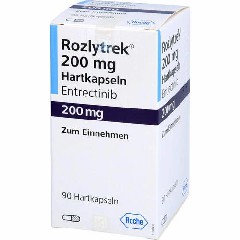
Entrectinib is an innovative oral targeted anti-cancer drug. It belongs to the tyrosine kinase inhibitor (TKI) family and can selectively inhibit the abnormal kinase activity produced by the fusion of multiple key oncogenes. The drug mainly targets the NTRK (neurotrophic tyrosine receptor kinase) fusion gene, ROS1 and ALKALK pan>Gene rearrangement, due to its broad-spectrum anti-cancer effect and good central nervous system penetration, entrectinib has shown excellent therapeutic potential in solid tumors, especially non-small cell lung cancer and rare NTRK fusion-positive tumors. This article will comprehensively analyze the mechanism of action, clinical efficacy, indications and precautions for use of entrectinib.
1. Mechanism of action
Enrectinib blocks tumors by potently inhibiting the kinase activity of three receptor tyrosine kinases: NTRK1/2/3, ROS1 and ALK Key intracellular signal transduction pathways, such as RAS/MAPK, PI3K/AKT and PLCγ, inhibit the proliferation, survival and metastasis of cancer cells. Aberrant kinase activity caused by these gene fusions is a driver of various solid tumors, and precise inhibition of these targets can significantly block tumor growth. In particular, entrectinib has strong central nervous system penetration and can effectively treat patients with brain metastases, which is different from the limitations of some targeted drugs.
2. Main indications
Entrectinib is currently approved by drug regulatory authorities in multiple countries. Its main indications include:
NTRK Fusion-positive solid tumors: Entrectinib is the world's first approved targeted drug for the treatment of NTRK fusion-positive tumors. Regardless of the type of tumor tissue source, as long as NTRK gene fusion is detected, patients can be considered for treatment with entrectinib. This type of rare fusion gene can be found in a variety of rare tumors and some common tumors, such as fibrosarcoma, breast cancer, thyroid cancer, etc.
ROS1Positive non-small cell lung cancer (NSCLC): ROS1 gene rearrangement is one of the important driver mutations in non-small cell lung cancer. Entrectinib is approved for first-line treatment of patients with advanced ROS1-positive NSCLC, especially those who have not received ROS1 inhibitor treatment. Compared with traditional chemotherapy, entrectinib has a higher response rate and better tolerability.
ALKpositive tumors: Entrectinib also shows an inhibitory effect on the ALK fusion gene and is suitable for certain ALK positive patients, especially in ALKpositiveNSCLC has certain efficacy. Although the current mainALK inhibitor market is dominated by other drugs, entrectinib, as a multi-target drug, provides patients with more choices.
3. Clinical efficacy and research data
Multiple key clinical trials have confirmed the significant efficacy of entrectinib. The STARTRK-2 trial of NTRKfusion-positive solid tumors showed that entrectinib achieved up to Overall response rate of 70% (ORR), and some patients achieved complete response (CR). The median progression-free survival (PFS) and overall survival (OS) are excellent, and the efficacy is durable.
In ROS1positiveNSCLC patients, entrectinib’s ORRMore than 70%, and the median PFSmore than 15 months, which is significantly better than traditional chemotherapy regimens. For patients with brain metastases, entrectinib also shows strong brain control capabilities and reduces the risk of progression of central nervous system diseases.
The safety profile of entrectinib is generally good. Common adverse reactions include fatigue, nausea, constipation, edema, and abnormalities in blood indicators. Most of them are mild to moderate and can be managed through dose adjustment or supportive treatment. Serious adverse events occur less frequently, ensuring patients' treatment compliance and quality of life.
4. Precautions and outlook for use
Entrectinib is a multi-target kinase inhibitor. Genetic testing is required before use to determine whether the patient carries NTRK fusion, ROS1 or ALKFusion of genes to accurately match indications. During the treatment process, the patient's liver function, heart function and blood indicators should be closely monitored, and possible adverse reactions should be dealt with in a timely manner.
In the future, the application potential of entrectinib in more tumor types will continue to be explored. A number of clinical trials are currently evaluating its combination with immunotherapy, chemotherapy and other targeted drugs, with the hope of improving efficacy through multi-modal treatment. In addition, with the development of precision medicine and the popularization of genetic testing technology, more patients will benefit from the targeted treatment of entrectinib.
In short, entrectinib has become a breakthrough drug in the treatment of solid tumors, especially rare fusion gene tumors, due to its precise inhibitory effects on multiple targets of NTRK, ROS1 and ALK, as well as its excellent ability to control brain metastasis. It not only provides patients with new treatment options, but also promotes the development trend of precision tumor treatment, and is expected to play an important role in more cancer treatment fields in the future.
Reference materials:https://www.drugs.com
[ 免责声明 ] 本页面内容来自公开渠道(如FDA官网、Drugs官网、原研药厂官网等),仅供持有医疗专业资质的人员用于医学药学研究参考,不构成任何治疗建议或药品推荐。所涉药品可能未在中国大陆获批上市,不适用于中国境内销售和使用。如需治疗,请咨询正规医疗机构。本站不提供药品销售或代购服务。


